

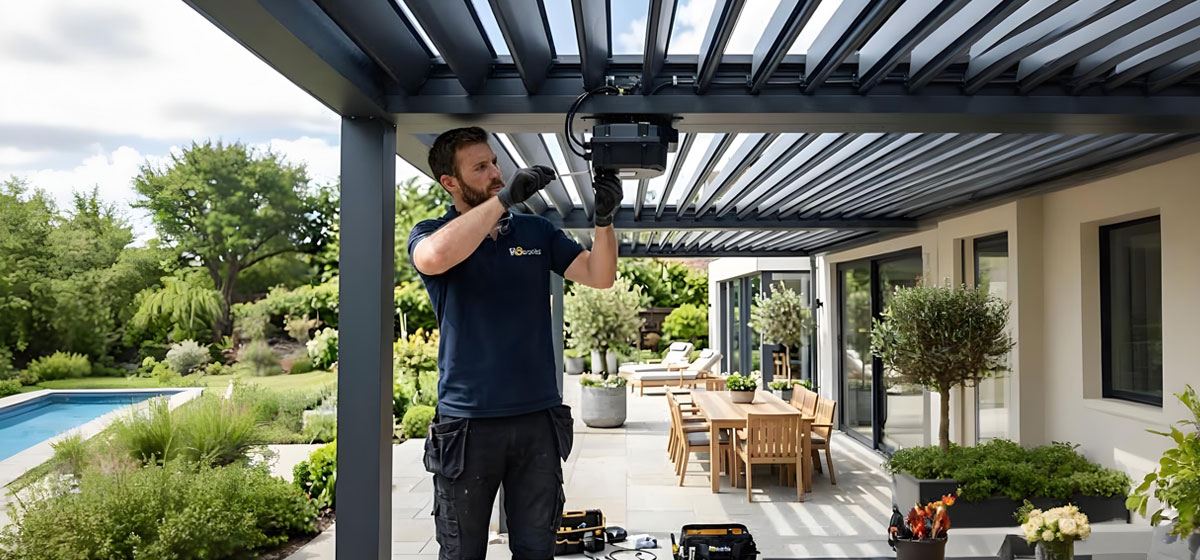
Installing an aluminum pergola may seem straightforward, but even minor mistakes can lead to structural problems, poor drainage, or expensive repairs. From overlooking local building regulations to installing the frame on an unstable foundation, small errors during installation can affect both safety and long-term performance.
Whether you're assembling a DIY pergola kit or working with a professional installer, understanding these common installation mistakes can help you avoid unnecessary setbacks. In this guide, We'll cover the 8 most common mistakes and share practical tips to ensure your aluminum pergola is installed correctly from the start.
一. Poor Installation Preparation
Proper preparation is an essential first step before installing an aluminum pergola. It helps ensure a smoother and more efficient installation process.
Before you begin, there are several key checks you should complete. Below are the most common preparation mistakes to avoid:
1.Failing to Check Local Building Regulations
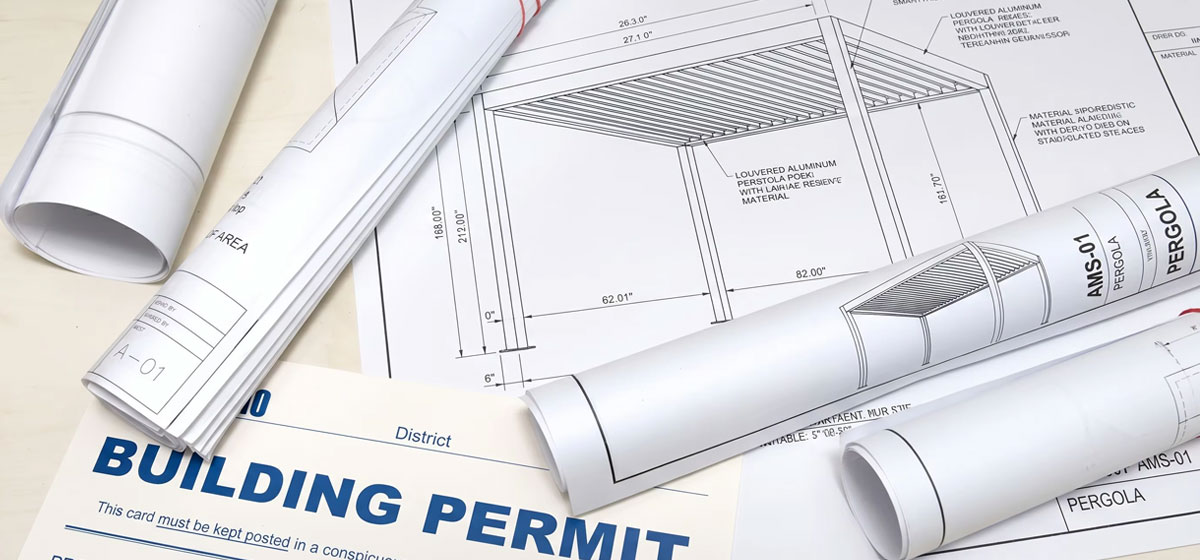
Before starting the installation of an aluminum pergola, it is essential to confirm whether local regulations require a Building Permit. In many regions, larger outdoor structures or pergolas attached to a house must be approved by local building authorities before construction begins. Homeowners in HOA communities may also face additional restrictions regarding size, height, materials, or installation location.
Failing to secure the necessary approvals can result in fines, work stoppages, or even orders to remove the structure after installation is completed.
2. Not Carefully Reading the Installation Manual
Each aluminum pergola system is designed differently, even if the overall structure looks similar. Installation steps, hardware specifications, and assembly sequences can vary significantly between brands and models. Skipping or overlooking the installation manual often leads to incorrect assembly, misaligned components, or the need to redo certain steps.
Taking time to carefully review the instructions before starting helps ensure that each part is installed in the correct order and according to manufacturer requirements.
3. Incomplete Tool Preparation
Proper tools are essential for a smooth installation process. Standard tools such as drills, levels, wrenches, measuring tapes, and safety equipment are commonly required for assembling an aluminum pergola. Using incorrect or low-quality tools can damage aluminum components or result in improper fastening.
Preparing all necessary tools in advance helps avoid interruptions during installation and ensures each step can be completed accurately and safely.
4. Not Verifying All Components and Hardware
Before beginning assembly, it is important to check that all parts and hardware are included in the package. Missing bolts, brackets, or panels can delay the installation process and may prevent proper assembly.
A full inventory check before starting ensures that any missing or defective components are identified early, allowing replacements to be requested before installation begins.
二. Foundation and Anchoring Mistakes
A solid foundation is essential for ensuring the long-term stability and safety of an aluminum pergola. Many structural problems actually start at the base, where small mistakes during preparation can lead to bigger issues later. The following are some of the most common foundation-related installation errors.
1. Insufficient Foundation Strength
A weak foundation is one of the most serious problems during aluminum pergola installation. The base must be strong enough to support the structure’s weight and withstand everyday environmental pressure.
If the concrete base is too thin or not properly prepared, it may lead to sinking, tilting, or long-term instability of the pergola. A solid and properly constructed foundation is essential for ensuring safety and durability.
2. Uneven Ground Surface
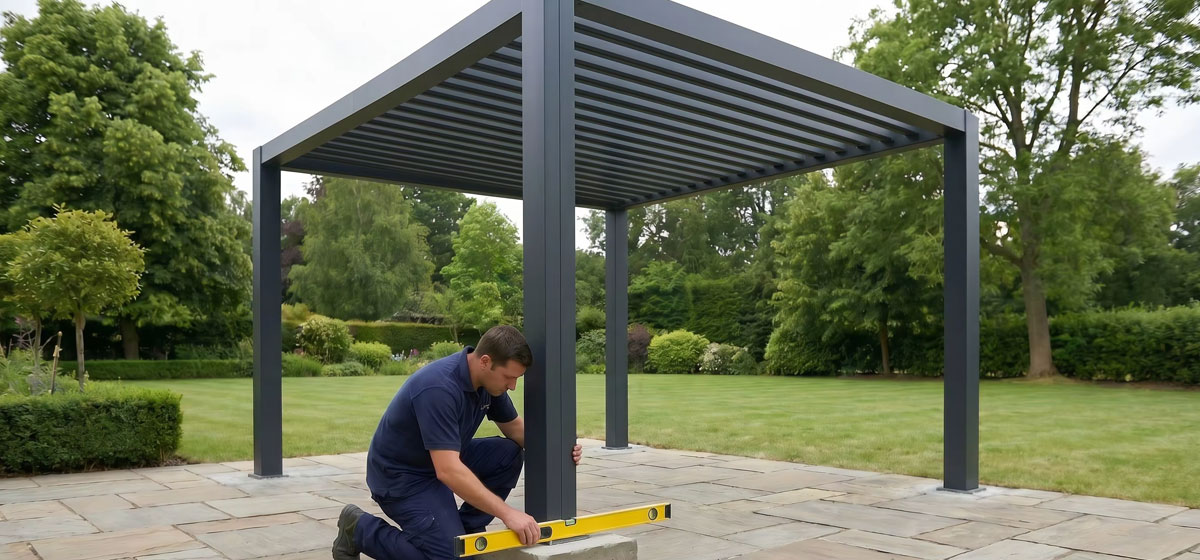
Installing a pergola on uneven ground can create alignment issues during assembly. Even small level differences can affect the overall structure, making it difficult to assemble parts correctly or causing the frame to lean slightly.
A properly leveled surface helps ensure that the pergola stands straight and that all components fit together as intended.
3. Improper Anchor Bolt Installation
Anchor bolts are responsible for securing the pergola to the ground. If they are not installed correctly or tightened properly, the structure may become unstable over time, especially under strong wind conditions.
Incorrect positioning or loose fastening can reduce overall stability, making proper installation of anchor bolts a key step in the process.
4. Ignoring Drainage Design
Drainage is often overlooked but plays an important role in maintaining a stable foundation. Without proper drainage, water can collect around the base of the pergola, especially after heavy rain.
Over time, standing water may affect the stability of the installation area, so it is important to plan for proper water flow during the foundation stage.
三. Frame Assembly Mistakes
After completing the foundation work, the next critical stage is assembling the main frame of the pergola. At this stage, small measurement or alignment mistakes can easily affect the overall structure.
1. Posts Not Kept Vertical
If the vertical posts are not properly aligned, the entire pergola structure can become uneven. Even a slight tilt can affect how the beams and roof system fit together, leading to long-term stability issues.
Ensuring each post is fully vertical during installation helps maintain structural balance and prevents unnecessary stress on connecting components.
2. Incorrect Post Spacing
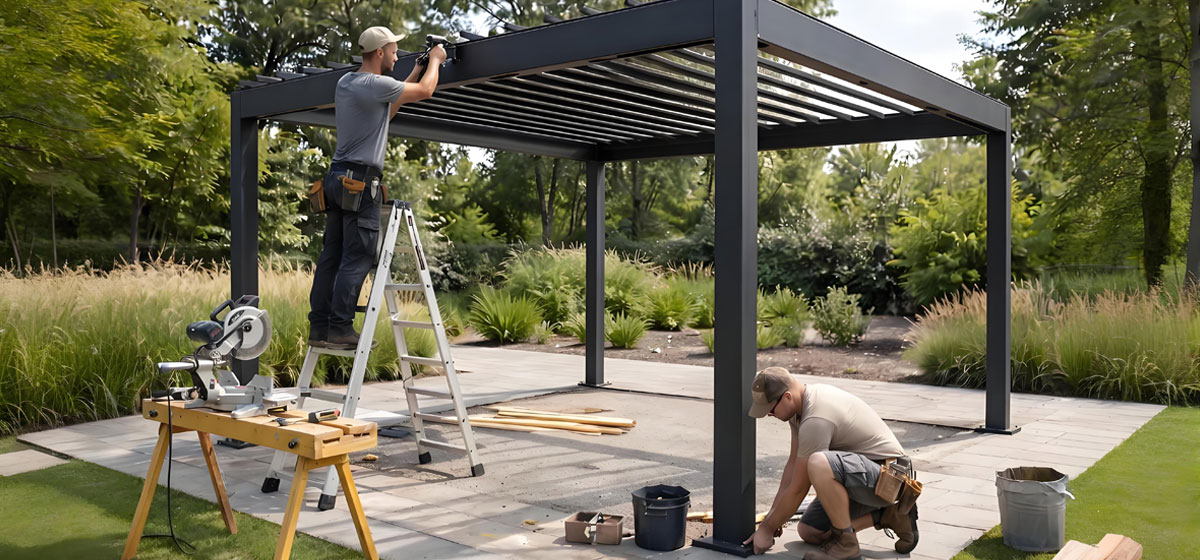
Accurate spacing between posts is essential for a proper fit of the upper frame. If the distance is too wide or too narrow, it may cause difficulty when installing beams or result in misalignment of the overall structure.
Careful measurement before fixing the posts helps ensure all components align correctly during assembly.
3. Incorrect Beam Orientation
Installing beams in the wrong direction can reduce the structural strength of the pergola. Each beam is designed to support loads in a specific orientation, and incorrect placement may affect overall stability.
Following the installation guide carefully ensures that each beam is positioned correctly for optimal support.
4. Incorrect Assembly Sequence
The order of assembly plays an important role in the stability and ease of installation. Installing components in the wrong sequence can make the process more difficult and may lead to alignment issues.
Following the recommended installation order helps ensure a smoother and more accurate assembly process.
5. Improper Bolt Tightening
Over-tightening bolts can damage aluminum components, while under-tightening may lead to loose connections over time. Both situations can affect the stability of the pergola.
Using the correct tightening level as recommended by the manufacturer helps maintain a secure and durable structure.
四. Louver Roof System Installation Mistakes
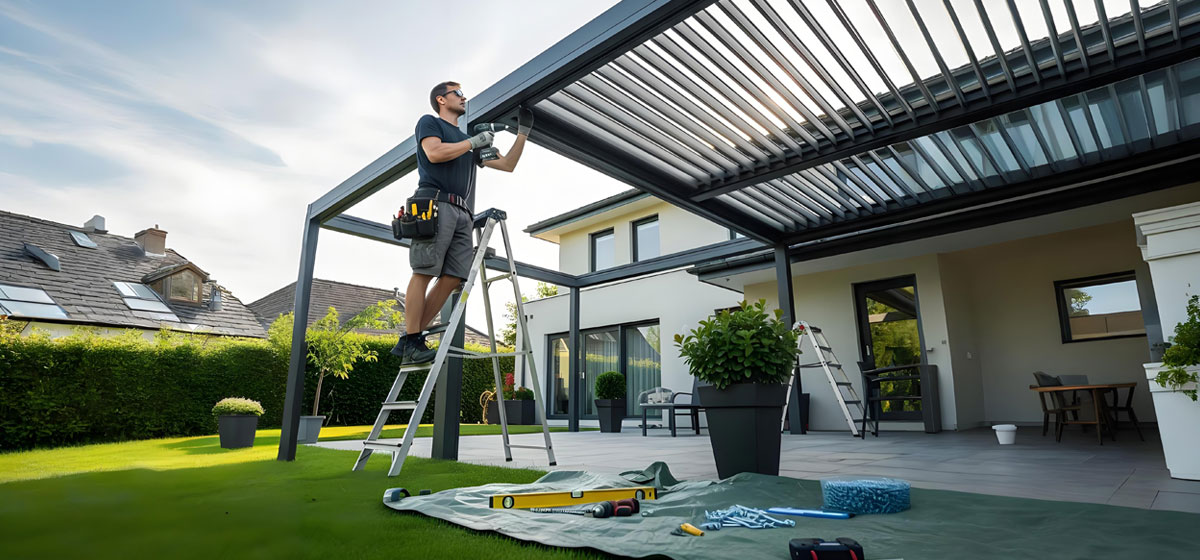
Once the main frame is properly assembled, the roof system becomes the next important focus. Whether it is a fixed roof or a louvered (adjustable) system, incorrect installation at this stage can directly affect functionality, drainage, and overall performance. Below are the most common roof system installation mistakes.
1. Incorrect Louver Orientation
For pergolas with adjustable louvers, installing them in the wrong direction can prevent proper opening and closing. It may also interfere with water drainage, causing rainwater to flow in unintended directions.
Ensuring the correct orientation during installation helps maintain smooth operation and proper drainage performance.
2. Incorrect Motor System Installation
For motorized pergolas, incorrect wiring or improper connection of the motor system can lead to control failures or inconsistent operation. In some cases, the system may not respond to remote commands at all.
Following the electrical installation guide carefully is essential to ensure the motor and control system function correctly.
3. Poor Sealing Installation
Improper sealing between roof components can allow water to leak through during rain. Even small gaps can lead to unwanted dripping or moisture entering the structure.
Proper sealing helps improve water resistance and ensures the pergola performs well in different weather conditions.
五. Ignoring Environmental Conditions
The performance of an aluminum pergola is influenced not only by installation quality but also by local environmental conditions, especially wind, snow, and surrounding site layout. Therefore, properly considering these factors during the planning and installation process is essential for long-term performance and safety.

1. Not Considering Wind and Snow Loads
Strong winds and heavy snow are key environmental factors that affect the stability of outdoor structures. If a pergola is not properly designed or installed to match local wind and snow conditions, it may experience instability, deformation, or reduced durability over time.
The ability of a pergola to withstand wind and snow loads is mainly determined by its structural engineering, including frame design, material thickness, and overall load-bearing capacity. Compared to lightweight or entry-level products, heavy-duty aluminum systems typically use stronger profile designs to meet higher load requirements.
AMS Pergola systems feature a reinforced aluminum structure designed with higher load-bearing capacity, making them suitable for use in stronger wind and snow environments.
2. Poor Site Placement
The installation location also has a significant impact on long-term performance. If a pergola is installed too close to trees, falling leaves and debris may enter or block the drainage system, requiring regular cleaning and maintenance to keep it functioning properly.
Choosing an open, well-ventilated, and properly planned installation site helps improve user experience, reduce maintenance requirements, and ensure stable long-term structural performance.
六. Safety Mistakes During Installation
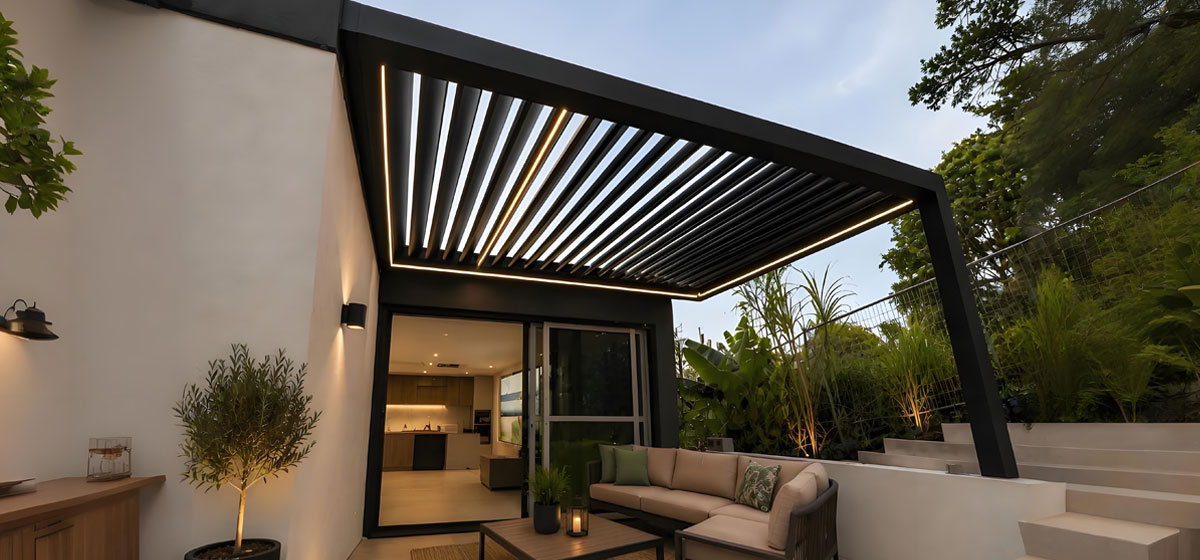
Installing an aluminum pergola often requires lifting heavy components, working at height, and handling power tools. Without proper safety precautions, the installation process can become risky.
1. Installing Large Pergolas Alone
Attempting to install a large pergola alone can significantly increase the difficulty and risk of error. Many components are heavy or require precise alignment, which is difficult to manage without assistance.
Having at least two people helps ensure safer handling of materials and more accurate installation.
2. Not Using Proper Safety Equipment
Basic safety equipment such as gloves, safety glasses, and non-slip footwear is often overlooked during installation. However, these tools help reduce the risk of injury when handling metal parts or using power tools.
Using proper protective gear is an important step for safe and controlled installation.
3. Installing in Unsafe Weather Conditions
Windy or rainy conditions can make installation more dangerous and less accurate. Slippery surfaces, reduced visibility, and unstable materials all increase the risk of mistakes or accidents.
Choosing a clear and stable weather window helps ensure both safety and installation quality.
七. Post-Installation Inspection Mistakes
After the pergola structure is fully assembled, the final inspection stage is often overlooked. However, this step is important to ensure everything is properly secured and functioning as intended. Missing key checks can lead to performance issues later.
1. Not Checking Overall Level
Once installation is complete, the pergola should be checked to ensure it is level and properly aligned. Even small deviations can affect appearance and may indicate uneven stress on the structure.
A final leveling check helps confirm that the installation is structurally balanced.
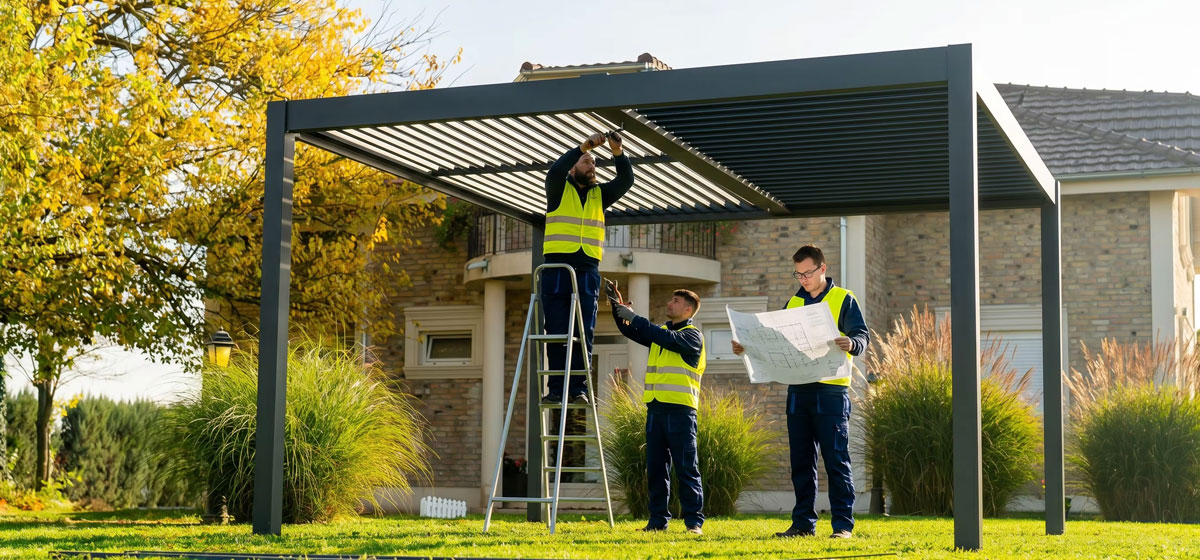
2. Not Rechecking All Fasteners
During installation, some bolts or connectors may not be fully tightened or may loosen slightly during assembly. If these are not rechecked, it can affect long-term stability.
Going over all connection points ensures the structure is securely fastened.
3. Not Testing Drainage System
For pergolas designed with integrated drainage, it is important to test water flow after installation. Without testing, blockages or improper slope may go unnoticed until heavy rain occurs.
A simple water test helps confirm that the drainage system is working properly.
4. Not Testing Motorized Functions
For motorized pergolas, failing to test the control system after installation can lead to hidden issues. The louvers, remote control, or motor response should all be checked to ensure smooth operation.
Testing the system early helps identify and resolve issues before regular use.
How to Avoid These Installation Mistakes
Most aluminum pergola installation problems can be prevented with proper preparation and careful execution. Taking the time to plan ahead and follow correct procedures helps ensure a smoother installation process and better long-term performance.
l Always check local building regulations before starting the project, including permit requirements and HOA restrictions if applicable.
l Carefully review the installation manual to understand the correct assembly sequence and hardware requirements.
l Ensure the foundation is properly prepared, level, and strong enough to support the structure.
l Use accurate measuring tools and appropriate equipment throughout the installation process.
l Work with at least one additional person when handling larger components.
l When in doubt, consider hiring a professional installer to ensure compliance and safety.
If you have any questions about installation or need help selecting the right pergola system, contact AMS Pergola for professional advice and project support.
Conclusion
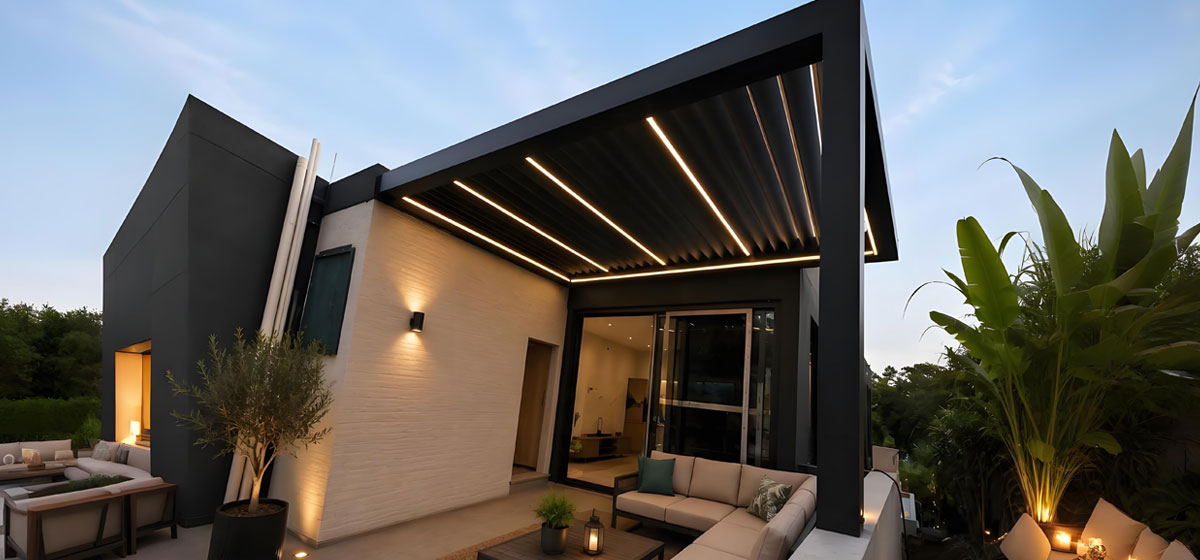
Installing an aluminum pergola requires careful planning and proper execution, and many common installation mistakes can be avoided by choosing well-prepared and accurately manufactured systems.
Products designed with pre-fitted components and clear installation guidance can significantly reduce the risk of errors during assembly, especially when it comes to alignment, missing parts, or incorrect installation steps.
With this in mind, AMS Pergola ensures that each system is pre-assembled and quality-checked before shipment, with a complete packing list provided for verification. All components are pre-fabricated for straightforward installation, and customers also receive installation manuals along with online technical support when needed.
This approach helps minimize common installation issues and makes the overall assembly process more efficient and reliable.
If you are planning a pergola project and need installation support or product details, feel free to contact AMS Pergola for more information.
