

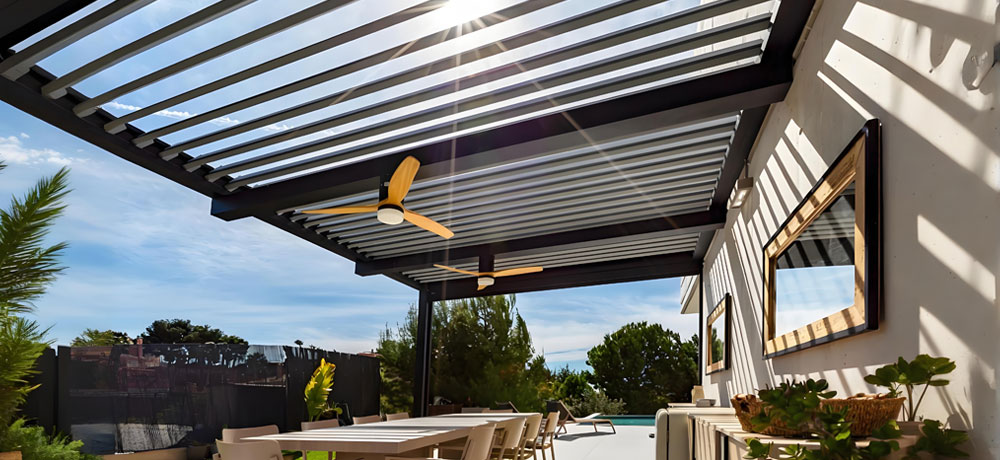
A pergola is a versatile outdoor structure that combines functionality and aesthetics, adding a touch of beauty to your garden or patio. Whether used as a sunshade retreat, a gathering space for relaxation, or a support for your plants, a pergola enhances the quality of outdoor living and brings a unique atmosphere to your home. As people's expectations for outdoor living space increase, more and more homeowners are choosing to build pergolas to extend their living areas. With thoughtful design and planning, you can customize a pergola that is both practical and visually appealing. Whether you desire a sleek, modern retreat or a lush garden corner, this guide will walk you through every step from planning to construction, helping you create the perfect pergola.
We provide detailed installation guidance for your pergola, but for large AMS Pergola structures, we recommend professional installation to ensure stability and safety. This will save time, ensure precision during the installation, and guarantee long-lasting durability.
Planning is Crucial When Building a Pergola
Before starting the construction of a pergola, planning is the essential first step. A successful pergola not only relies on an aesthetically pleasing design but also on factors such as location, size, material selection, and how it integrates with the surrounding environment. Proper planning ensures structural stability, enhances comfort during use, and helps the pergola blend seamlessly with the garden or patio. Tools like a combination square can be used during construction to make precise measurements and markings, ensuring accurate cuts and assembly for a consistent and well-executed final result.
Location and Size
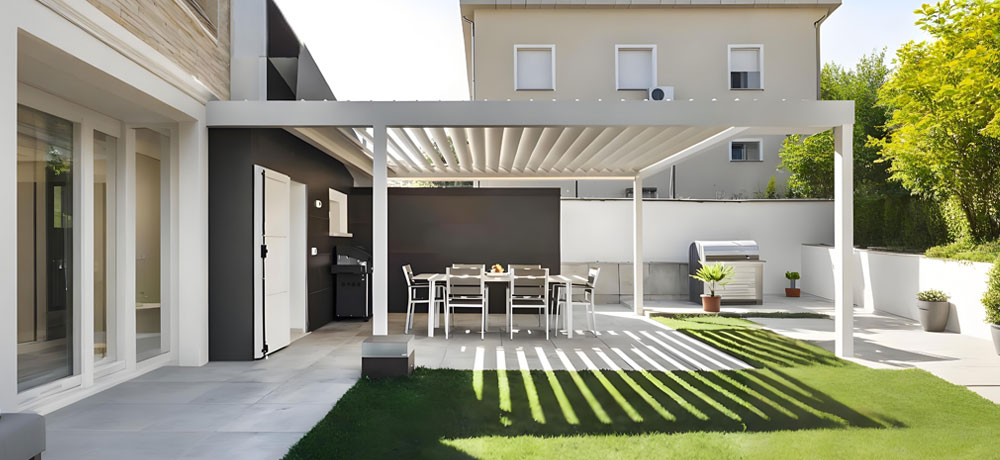
Choosing the right location is the first step in building your pergola. You’ll need to consider factors like sunlight direction, the layout of the surrounding space, and whether the pergola will block any views or affect privacy. Generally, a pergola should be placed close to the house for easy access and connection with the indoor space. Alternatively, it can also stand as an independent feature, becoming the focal point of the garden. You can set it on a terrace or platform, or place it on a concrete patio, where drilling holes can increase stability.
Once the location is determined, the next consideration is the size of the pergola. Choosing the right dimensions ensures the pergola is neither too cramped nor overwhelming in the available space. Decide the size based on your needs—if you want a large area for gatherings, a bigger pergola is needed; if it’s a personal retreat, a smaller pergola on an existing patio might be ideal.
Material Selection
When selecting materials, both aesthetics and durability need to be considered. Different materials have their pros and cons, so make sure to choose based on your specific needs:
l Wood: Wood has always been a popular choice, classic and natural, ideal for traditional or rustic styles, but requires regular maintenance to protect against decay.
l Metal (Such as aluminum or steel): Modern and durable, resistant to weather, and low maintenance.
l Composite Materials: More durable and easy to clean than wood, though typically more expensive.
l PVC or Plastic: Lightweight and waterproof, but slightly lacking in structural stability and aesthetic appeal.
Wood and composite materials are relatively easy to cut, and with tools like a circular saw or jigsaw, you can achieve precise cuts. In contrast, materials like aluminum alloys are more difficult to cut and often require specialized machinery to ensure accuracy and smooth finishes. When choosing your materials, be sure to select those that are durable and enhance the overall beauty of your space.
Design Considerations
Designing a pergola for your backyard is a creative and enjoyable process. The design should complement your existing outdoor space and architectural style. Whether it’s modern, traditional, or rustic, the right style will add unique charm to your home and garden. By carefully planning the pergola's integration with the surrounding landscape, such as the garden, pool, or other features, you can create a harmonious outdoor environment.
Additionally, it’s important to consider the pergola’s functionality in the design. The roof structure not only determines the amount of shade but also plays a role in the overall functionality. Adding elements like trellises or plant supports can enhance the aesthetic, provide additional shaded areas, and support climbing plants like vines, increasing the overall visual appeal and versatility of the structure.
Preparation of Site and Foundation
Before starting the construction of your pergola, ensuring proper site preparation and foundation work is essential. This not only guarantees the stability of the structure but also ensures long-term safety and durability. Below are the key steps for laying the foundation for your pergola.
Site Preparation
The first step is to clear the construction area. Remove any obstacles, weeds, and stones, ensuring the ground is clean and free of debris. This will provide ample space for the post installation and prevent any issues during the building process. It is also important to make sure the ground is level so that the posts can be properly anchored. Use a level to check if the surface is even, and make any necessary adjustments by filling or sanding the ground to achieve a uniform surface.
Once the ground is clear, if you’re building on a concrete surface, it is recommended to drill holes in the concrete to secure the posts. This will add additional stability to the posts and provide a firmer foundation.
Setting the Posts: Ensuring Stability
1.Digging Holes and Adding Gravel: According to your design plans, dig holes for each post. The hole depth typically needs to be between 25 to 30 inches, depending on the size of your pergola and the soil conditions in your area. After digging, add a layer of gravel at the bottom of the hole. This will promote proper drainage, preventing water from collecting around the posts and causing rot, while also providing additional stability.
2.Pre-drilling and Installing Posts: Once the holes are prepared, use a power drill to pre-drill into the holes and install the posts vertically. Make sure the posts are stable and secure, using a level and plumb line to check for vertical alignment. It is essential that each post remains straight during the installation to ensure the structure’s integrity.
3.Temporary Support and Reinforcement: To further stabilize the posts, temporary support can be used in the form of braces or wooden blocks. These will keep the posts in place until the beams and rafters are installed. In areas with strong winds, it is advisable to use additional supports to secure the posts until the entire frame is complete.
By following these steps, your pergola posts will be firmly anchored in the ground, providing a strong foundation for the subsequent framing and structure assembly.
Pergola Frame Construction
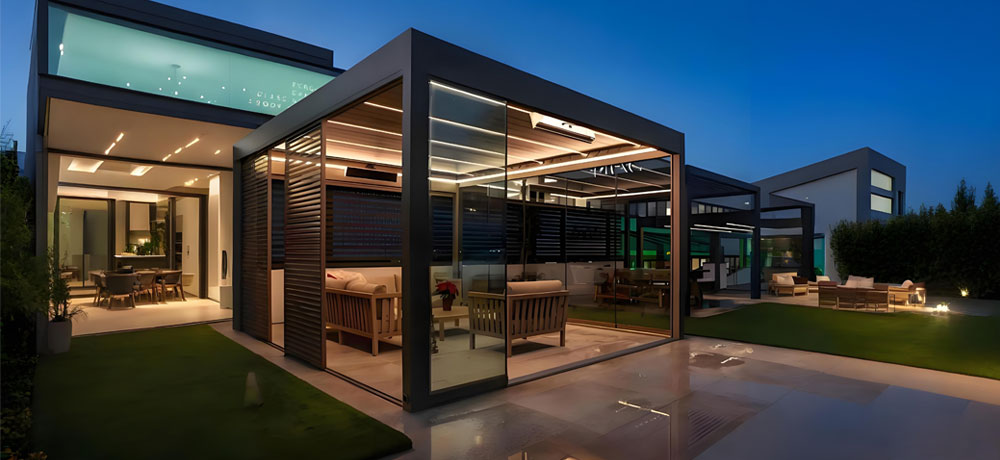
Once the posts are securely installed, the next step is to build the frame of the pergola, including installing the beams, rafters, and lattice structure. Each part plays a critical role in ensuring the stability and aesthetics of the pergola. Make sure to align the bottom edges of the beams with the grooves for a solid, well-constructed framework.
Installing Beams and Supports
The first task is to install the crossbeams. Beams are the essential elements that support the entire structure and carry the weight of the roof. Therefore, they must be securely attached to the top of the posts. Using the design plans, attach the beams to the posts with the appropriate connectors and fasteners. Ensure that the connection between the beams and posts is tight by using screws or nails for a durable bond.
Additionally, reinforcing the support structure is vital. To ensure each beam can bear the weight above, consider adding support rods or using metal brackets to reinforce the connection between the beams and posts. This extra support helps increase the strength of the entire structure, especially when faced with heavy loads or strong winds.
Installing Rafters
Once the beams are installed, the next step is to add the rafters. Rafters are used to support the roofing material and are typically placed horizontally along the beams. Use a circular saw to cut the rafters to the required lengths, ensuring that the spacing between them is even, typically 16 to 24 inches apart, depending on the design.
When installing the rafters, use a power drill and screws to secure them firmly to the beams. Ensure each rafter is level and stable. This step is crucial for the overall stability and aesthetic appeal of the pergola.
Installing Lattice
If your design includes lattice work, it can be installed at the top or sides of the pergola. Lattice structures not only provide additional shading for the outdoor space but also offer support for climbing plants. Depending on your preference, you can choose wood, metal, or other materials for the lattice, ensuring it is securely installed.
Use the appropriate tools and fasteners to attach the lattice to the beams or rafters. You can also install shade cloth on the lattice to increase sun protection or allow climbing plants to grow. The lattice design enhances both the visual appeal and functionality of the pergola.
Finishing Touches and Maintenance
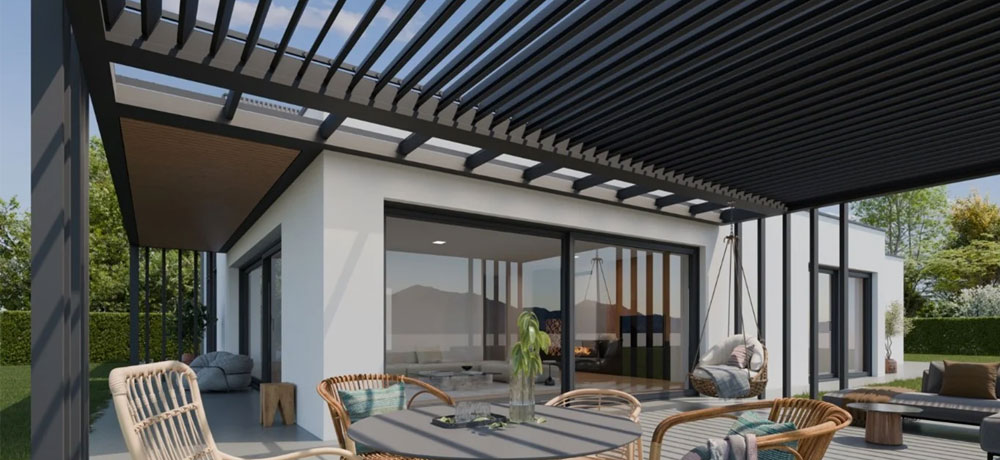
Once the frame of your pergola is completed, the next step is to carry out the finishing touches to ensure that the pergola is not only visually appealing but also durable for long-term use. Additionally, regular maintenance is key to preserving both the structure and the aesthetics of the pergola.
Painting or Staining
Painting or staining is an essential final step for both enhancing the look of your pergola and ensuring its longevity. The choice of paint or stain depends on the material used. For wooden pergolas, a waterproof coating or wood preservative is ideal to enhance the natural grain of the wood and prevent moisture damage. For metal materials, consider using rust-resistant paint to prevent oxidation. Make sure to clean the surface thoroughly and allow it to dry completely before applying paint or stain for the best results.
When painting, use the appropriate brush or sprayer to apply an even coat, avoiding missed spots or uneven layers. After the first coat dries, apply a second layer if necessary to improve the protective effect.
Ongoing Maintenance
Regular maintenance is crucial to ensuring the long-term stability and aesthetic appeal of your pergola. Particularly in areas with heavy rainfall or wind, it is important to check the beams, posts, and roof for any signs of wear. Inspect the wood for rot or the metal for rust, and address any issues immediately. If any parts are loose or damaged, take care of repairs or replacements promptly.
Cleaning the roof is also important. Remove any accumulated leaves, moss, or debris, as this can prevent water from draining properly and keep the structure dry. For climbing plants, be sure to prune regularly to prevent them from becoming too heavy and putting excessive strain on the structure.
Safety Checks
The longer the pergola is in use, the more the structure may be affected by environmental changes or frequent use. It’s recommended to conduct an annual safety inspection to ensure all connections are secure, posts are stable, and there are no signs of loosening or deformation in the beams and rafters. These checks will help identify and address any issues before they become serious, ensuring the safety and longevity of your pergola.
Customizing Your Pergola to Fit Your Outdoor Space
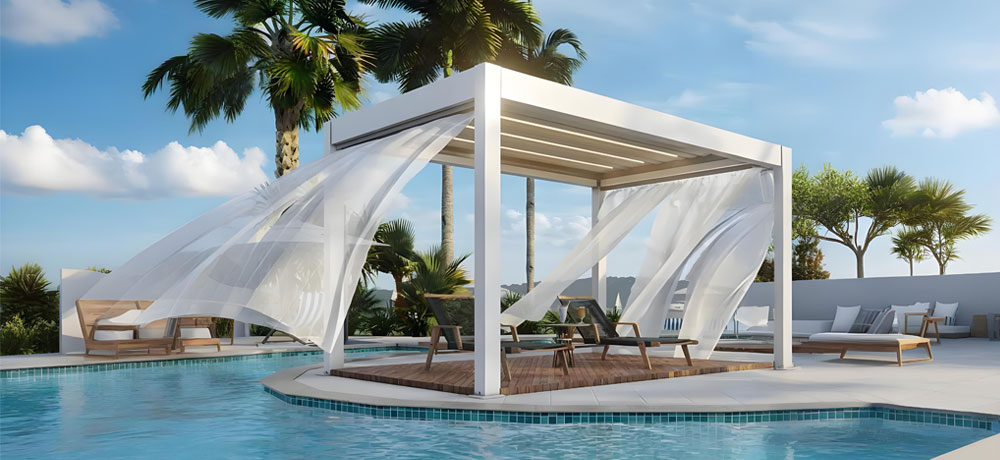
With your DIY pergola project complete, it's time to personalize the space and make it truly yours. You can enhance its functionality by adding furniture, lighting, fire pits, and other features. If you'd like to create a more natural atmosphere, consider incorporating climbing plants or flowers to blend the pergola with the surrounding landscape. These custom touches allow you to make the most of your outdoor space while elevating both its beauty and practicality.
Additional Features for Your Pergola
Adding extra features to your pergola not only increases its functionality but also makes your outdoor space more enjoyable and comfortable. Depending on your lifestyle and needs, you can incorporate various elements to enhance the functionality and entertainment value of your pergola.
How to Increase the Multifunctionality of a Patio Pergola?
Increasing Versatility
Increasing the versatility of your pergola is key to maximizing its use. Consider installing hanging lights, a hammock, or lounge chairs to create a relaxing and social space. You can also add an outdoor dining table or bar area for family gatherings or parties. This will make your pergola an ideal spot for dining and socializing.
Integrating the Pergola with Your Garden/Yard
A pergola can be more than just a relaxation space – it can become a beautiful extension of your garden or yard. With thoughtful design, you can seamlessly integrate the pergola into the surrounding landscape. Planting flowers or adding climbing plants like vines around the structure can create a lush, green environment. This way, your pergola becomes not just a standalone feature but an essential part of your garden's overall aesthetic.
Combining with Outdoor Kitchen or BBQ Features
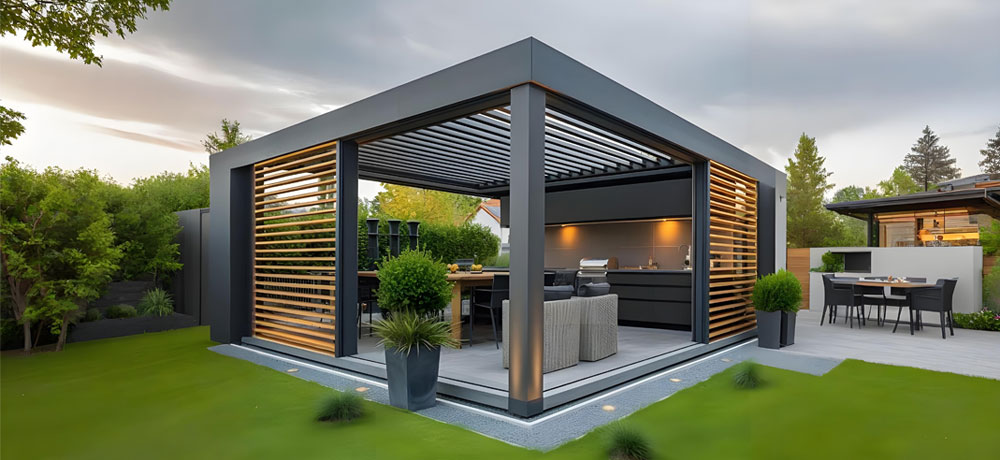
For those who enjoy outdoor gatherings and family activities, combining your pergola with an outdoor kitchen or BBQ setup creates an ideal entertainment zone. Install a built-in grill, refrigerator, and sink to make cooking and dining convenient, and provide a comfortable space for friends and family to gather. These features will turn your pergola into the ultimate spot for family parties, celebrations, and relaxation.
Sustainability Features
l Solar Lighting: Install energy-efficient solar lights to illuminate your pergola while saving energy.
l Rainwater Harvesting System: Consider setting up a rainwater collection system to irrigate your garden or lawn, providing a sustainable water source and reducing your environmental footprint.
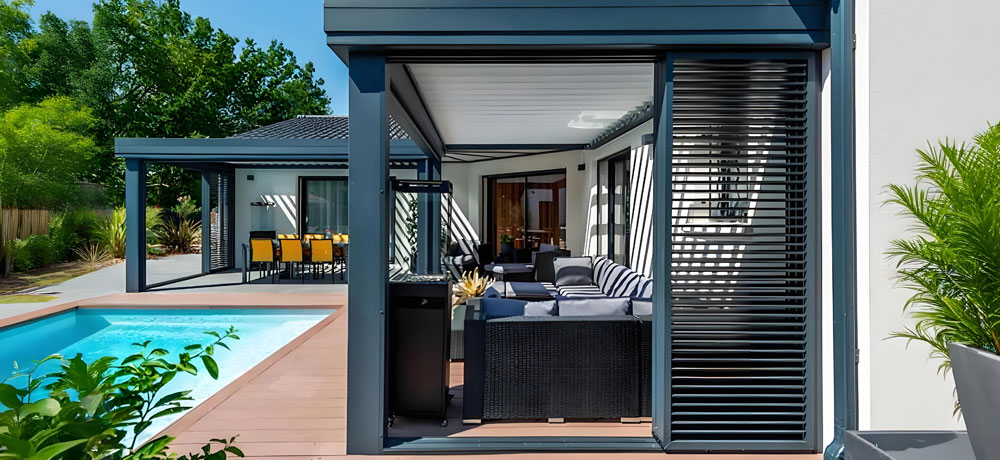
Plants and Landscape Design
Incorporating plants into your pergola design greatly enhances the natural beauty of your outdoor space. Choose the right plants, such as climbing vines, flowers, or other greenery, to decorate the top and sides of the pergola, creating a vibrant green environment. Climbing plants not only provide natural shade but also add depth and dimension to the space. By selecting seasonal flowers or evergreen plants, you can ensure that your pergola presents a different, beautiful view throughout the year, offering a rich visual experience. For more ideas and suggestions on enhancing this structure, consult a landscape design expert.
Final Inspection and Completion
After the pergola is built, performing a final inspection is crucial to ensure that all components are secure and level, directly affecting the safety and longevity of your new outdoor structure.
Structural Stability Check
Before finalizing, thoroughly inspect all structural connections of the pergola. Ensure there is no looseness at the connections of the posts, beams, and rafters. Use tools like a level and plumb line to confirm the verticality and horizontality of each connection, ensuring the structure is stable. Any loose or unbalanced areas should be adjusted or reinforced immediately.
Design and Functionality Check
In addition to the structural inspection, make sure the appearance and functionality of the pergola meet your expectations. Inspect every detail to ensure the design aligns with your needs, whether it's shading, space layout, or aesthetics. If there are any discrepancies, make adjustments to achieve the desired final result.
Completion and Cleanup
After the inspection, conduct a thorough cleanup of the site. Remove all construction tools and debris, ensuring the area is tidy and ready for use. Once cleaned, you can fully enjoy the beautiful space created by your new pergola.
Summary: Build Your Ideal Patio Pergola
Building a pergola is both a practical and creative project that can enhance the beauty and quality of your outdoor space. From planning and design to construction and customization, every step plays a crucial role. By carefully selecting materials and designing with purpose, you can create a space that blends seamlessly with your home and garden. Adding multifunctional elements and natural landscaping will further enhance the pergola’s functionality and visual appeal, making it an ideal spot for relaxation and entertainment. Regular maintenance and inspections will ensure the structure’s durability and safety. Whether you're looking for a peaceful retreat or a lively gathering spot, the pergola can become a valuable part of your outdoor living experience.
AMS PergolaOutdoor Solutions for Your Patio
If you're considering adding a pergola on your terrace or balcony but are concerned about lacking the expertise, AMS Pergola offers comprehensive custom design and construction services to help you bring your ideal pergola to life. From initial design to final build, each step is tailored to your specific needs and space characteristics. We offer a variety of styles and functional options to ensure your pergola blends seamlessly with your outdoor environment, while meeting aesthetic, comfort, and practical requirements for year-round use.
We select high-quality aluminum materials and use professional construction techniques to ensure each pergola is durable and long-lasting. As a DIY product, AMS Pergola is pre-assembled at the factory and labeled for easy step-by-step assembly, allowing you to enjoy the hands-on process while saving time. Contact us today, and AMS Pergola will help you find the perfect solution for your space.
