

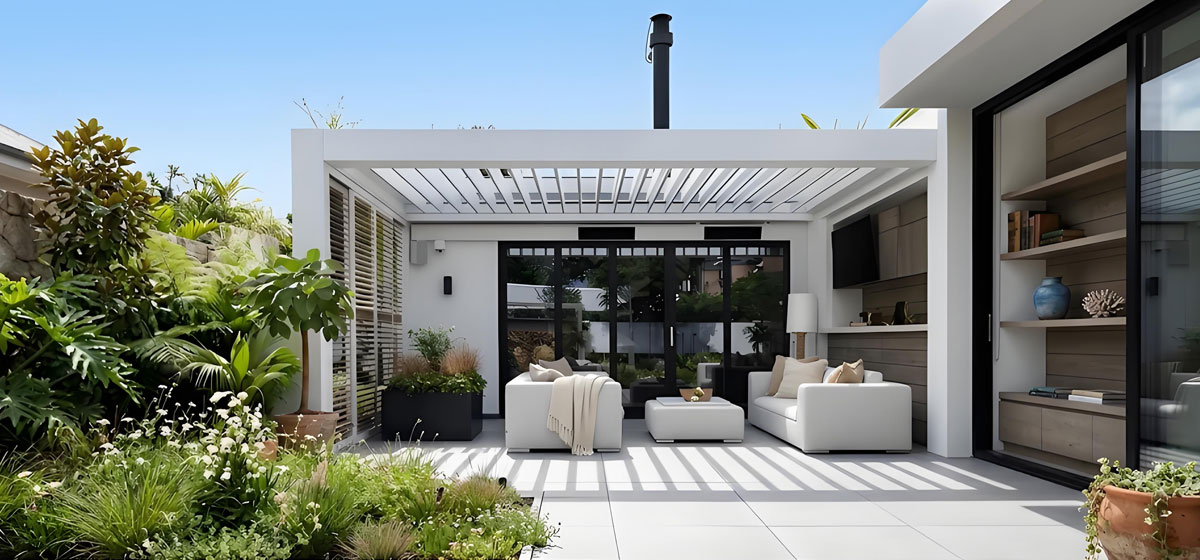
Choosing the right pergola for your patio or backyard involves more than just appearance. It’s also about how you want to enjoy your outdoor space. Would you prefer the ability to adjust sunlight and airflow throughout the day, or would you rather retract the roof whenever you want an open view of the sky? That’s one of the biggest differences between a louvered pergola and a retractable roof pergola. Both offer unique benefits, so let’s take a closer look at how they compare and which one might be a better fit for your outdoor space.
What Is a Louvered Pergola?
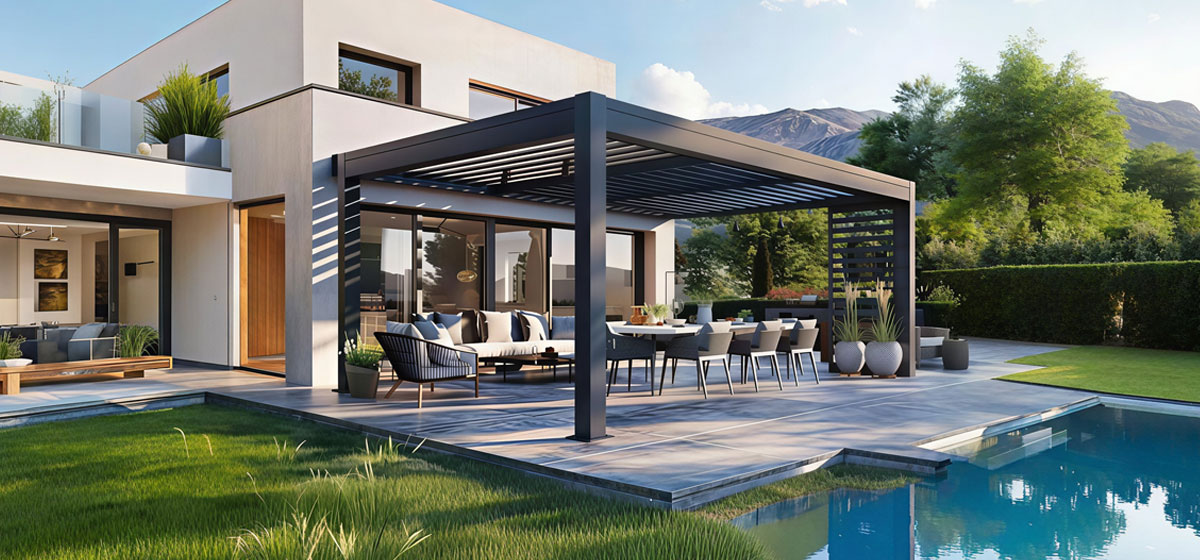
A louvered pergola is an outdoor structure featuring adjustable aluminum slats as its roof. Multiple individually arranged louvers form the overhead covering, allowing you to adjust their angle based on the weather and your preferences. This gives you control over how much sunlight enters the space and how much airflow passes through.
How Does a Louvered Pergola Work?
The defining feature of a louvered pergola is its adjustable roof system. Powered by a motor, the louvers rotate within a specific range of angles, changing how open or covered the roof is without moving the entire structure.
l Open Louvers: Let natural light and fresh air into your outdoor space, making them ideal for sunny days when you want to enjoy the outdoors.
l Adjust the Louver Angle: Reduce direct sunlight while maintaining some airflow, helping keep your patio bright and comfortable.
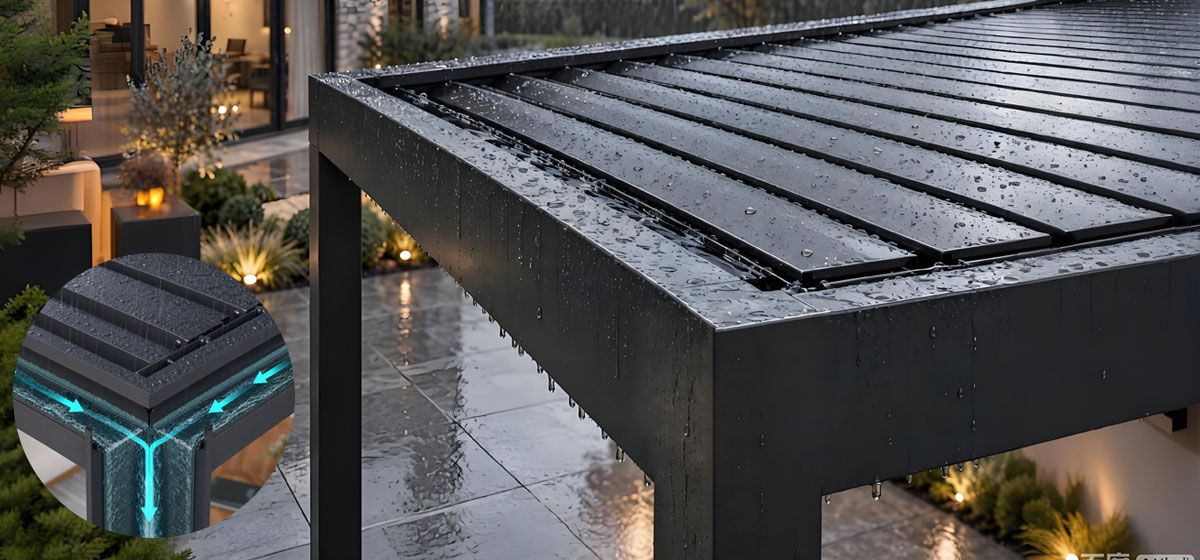
l Close the Louvers: The slats fit together to form a protective overhead surface that blocks sunlight and rain. An integrated gutter system channels rainwater through the posts and away from the covered area.
AMS motorized louvered pergolas feature aluminum louvers and an electric adjustment system. Depending on the configuration, they can be operated using a remote control, mobile app, or control panel. Weather sensors can also be added to certain configurations for more convenient roof operation.
Key Features and Benefits of a Louvered Pergola
One of the biggest advantages of a louvered pergola is that you don't have to choose between a completely open roof and a fully covered one. As sunlight changes throughout the day, you can adjust the roof to suit the conditions.
For example, you can open the louvers in the morning to let in gentle sunlight, adjust their angle around midday to reduce harsh sun, and close the roof when it rains. Combined with the integrated drainage system, this helps protect the space underneath.
The aluminum construction also gives louvered pergolas a clean, modern appearance. Whether installed in a residential backyard, beside a pool, or on a restaurant or hotel patio, they can complement a wide range of architectural styles.
For homeowners looking to turn their backyard into a regular space for relaxing, dining, and entertaining friends, a louvered pergola can be much more than a shade structure. It can become an important part of everyday outdoor living.
What Is a Retractable Roof Pergola?
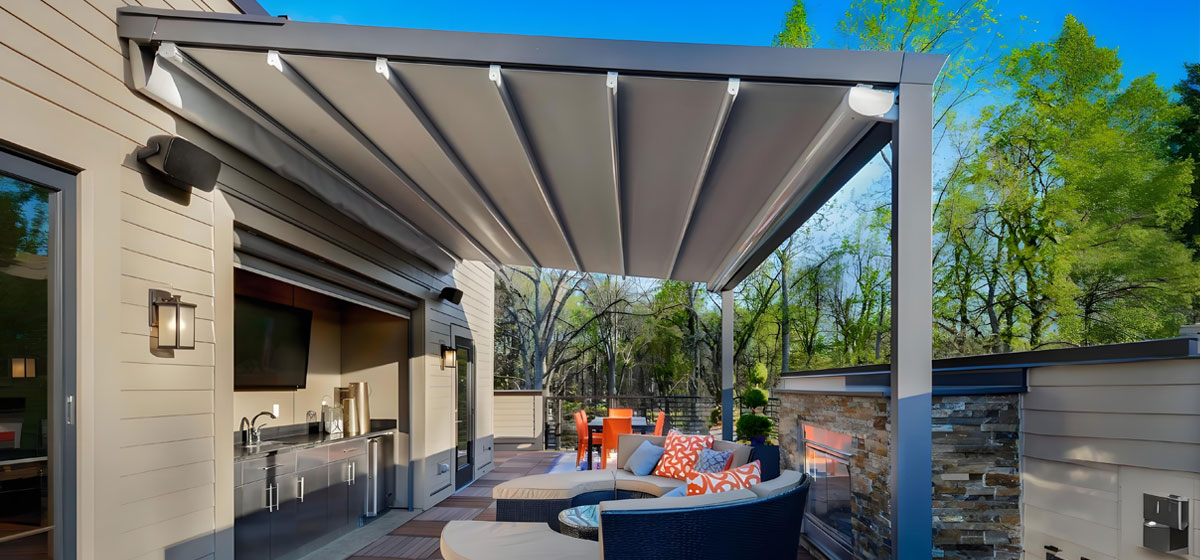
A retractable roof pergola features a roof system that moves along tracks, typically using outdoor-grade fabric as its covering. The biggest difference from a louvered pergola is that the roof doesn't adjust by rotating individual slats. Instead, the entire fabric canopy extends or retracts to change how much of the space is covered.
How Does a Retractable Roof Pergola Work?
A typical retractable roof pergola consists of a supporting frame, guide tracks, a drive system, and roof fabric. The canopy slides along the tracks, extending over the space or gathering toward one side as needed.
l Fully Extended: The fabric covers the overhead area, providing shade and a degree of weather protection.
l Partially Retracted: The covered area can be adjusted to let more sunlight into the space.
l Fully Retracted: The canopy gathers to one side, leaving the area overhead open so you can enjoy an unobstructed view of the sky.
Modern retractable roof pergolas are often equipped with electric drive systems, allowing you to extend or retract the canopy with a remote control. Depending on the product configuration, AMS retractable roof pergolas can also feature electric controls and weather sensors.
Key Features and Benefits of a Retractable Roof Pergola
The biggest appeal of a retractable roof pergola is its ability to switch between a covered patio and an open-air space.
When the afternoon sun gets too strong, simply extend the canopy to create a comfortable shaded area. As the sun becomes softer in the evening, retract the roof to let natural light back in. For anyone who enjoys outdoor dining, relaxing on the patio, or looking up at the night sky, this flexibility can be especially appealing.
Fabric roofs also tend to create a softer, lighter visual effect than metal louvers, which have a more defined architectural appearance. Depending on the fabric material, a retractable roof can also offer water resistance and UV protection.
Keep in mind that not all fabrics provide the same level of protection. Before purchasing, check the fabric material, coating, waterproof rating, and drainage design rather than judging performance by appearance alone.
8 Key Differences Between Louvered Pergolas and Retractable Roof Pergolas
Now that we've covered how both pergola styles are designed, it's time to look at how they perform in everyday use. Weather conditions, budget, and the way you plan to use your outdoor space can all influence your decision. The differences go beyond roof design and can also affect long-term costs and the overall outdoor experience.
Weather Protection: Rain and Wind Resistance
For an outdoor pergola, weather protection is often one of the first things buyers consider, especially in areas with long rainy seasons or unpredictable weather.
When closed, the aluminum louvers of a louvered pergola form an overhead barrier. Rainwater flows into the integrated gutter system and is directed down through the posts, helping keep the space underneath dry. A well-designed drainage system also helps prevent water from accumulating on the roof.
The rain protection offered by a retractable roof pergola depends largely on the quality of its fabric. Specially designed waterproof fabrics can keep rain out, but the roof slope, fabric tension, and drainage design are equally important. When shopping, don't just check whether the fabric is waterproof. Look at how the entire roof system handles rainwater.
Wind resistance is another important consideration for both types. Retractable roof systems generally need to be retracted when wind speeds exceed the manufacturer's recommended limits. For louvered pergolas, check the wind-load test data for the specific model rather than assuming that a closed roof can withstand strong winds.
Sunlight and Shade Control
How much natural light do you want in your outdoor space? This is often a more useful question than simply asking which pergola provides more shade.
Some people prefer soft, natural light and want their patio to stay bright without being exposed to intense sunlight for extended periods. Others enjoy a sun-filled outdoor space and want to make the most of sunny weather.
A louvered pergola is a better fit for those who want more precise control over natural light, offering greater flexibility as lighting conditions change throughout the day. A retractable roof pergola is better suited to those who enjoy an open-air environment, especially when the canopy is fully retracted.
Both designs accommodate different lighting preferences. Think about how you typically use your patio, whether for dining, reading, or simply relaxing, to help determine which option suits you better.
Design and Aesthetics
A pergola is more than an outdoor shade structure. It's also part of your overall landscape design. Its structure, color, and materials all influence how well it complements your home and outdoor surroundings.
Louvered pergolas feature aluminum frames and evenly arranged metal slats, creating clean lines and a more architectural appearance. They are particularly well suited to modern homes, luxury residences, and commercial spaces with a contemporary design.
Retractable roof pergolas have a softer overall appearance thanks to their fabric canopies. Different fabric colors and materials can create different atmospheres, making them a natural fit for relaxed backyard settings, restaurant patios, and other outdoor spaces where a lighter look is preferred.
Beyond the pergola itself, consider how it will work with your home's exterior, patio flooring, and outdoor furniture. A well-chosen pergola should feel like a natural extension of the space rather than something that looks out of place.
Materials and Durability
When a pergola is installed outdoors, material quality plays a major role in how well it holds up over time.
The roof of a louvered pergola is made with aluminum louvers. Aluminum is lightweight, corrosion-resistant, and does not rust like ordinary steel. With proper surface treatment, it can also handle everyday outdoor exposure effectively.
Retractable roof pergolas can also feature aluminum frames, but their fabric roofs require additional consideration. Prolonged UV exposure, temperature changes, and rain can all affect fabric over time. Different fabrics can vary considerably in their resistance to fading, wear, and aging.
When shopping for a pergola, don't focus on appearance and price alone. Check the material specifications, surface finishes, and manufacturer's warranty. These details offer a much better indication of long-term product quality than the product name alone.
Price and Long-Term Value
Budget is an important part of any pergola purchase, but the initial price doesn't tell the whole story when it comes to long-term costs.
Louvered pergolas include aluminum slats, adjustment mechanisms, motors, and drainage systems. Their more complex construction means the initial investment may be higher than that of a retractable roof pergola with a similar size and configuration.
The cost of a retractable roof pergola depends on the frame, fabric quality, track system, and drive mechanism. Different fabric options and custom configurations can also lead to significant price differences.
When comparing prices, it's worth looking at three key factors:
l Initial Investment: Includes the product price, shipping, and installation costs.
l Ongoing Expenses: Consider whether the fabric may need replacing, the drive system may require repairs, or additional accessories may be needed.
l Long-Term Value: Think about whether the product will meet your needs for years to come and whether the initial investment is worthwhile.
A lower purchase price doesn't always mean a lower overall cost. For an outdoor space you plan to use for many years, material quality and ongoing maintenance are just as important when setting your budget.
Space Planning and Everyday Outdoor Living Experience
Ultimately, a pergola is there to serve the people using the space. Beyond providing shade and rain protection, it can also influence how you arrange your furniture and make use of your patio.
A louvered pergola provides a more consistent overhead structure, creating a defined covered area for outdoor dining tables, sofas, and other patio furniture. For homeowners looking to create a dedicated outdoor living room or dining area, this design can fit naturally into everyday life.
A retractable roof pergola offers a greater sense of openness. On clear days, you can retract the canopy and create a more open connection between your patio and the surrounding environment. This can be especially appealing if you enjoy hosting outdoor gatherings, soaking up the sun, or watching the night sky.
It's also worth considering the actual size of your patio and how you plan to arrange your furniture. Will you keep furniture under the pergola year-round? Do you frequently host gatherings? Would you like to have an unobstructed view of the sky when shade isn't needed? These practical details can make a real difference in how you use the space.
Accessories and Customization Options
The functionality of a pergola often depends on more than just its roof. The right accessories can make a significant difference in how comfortable and practical your outdoor space becomes.
If you're planning a complete outdoor living area, here are some options worth considering:
l Retractable Side Screens: Add privacy while helping reduce exposure to side sunlight and wind.
l LED Lighting: Provides illumination for evening dining and outdoor activities.
l Glass Walls: Offer additional protection along the sides while maintaining an open, unobstructed view.
l Heating Systems: Compatible outdoor heating options can help extend the use of your pergola into cooler weather.
l Weather Sensors: Help automate roof operation in response to changing weather conditions.
At AMS, customers can explore different pergola structures, colors, and functional accessories based on their project requirements. For example, adding Zip Screens and LED lighting can turn a basic shaded area into a more comfortable and functional outdoor living space.
Keep in mind that not every accessory is compatible with every pergola. Side screens and glass enclosures, in particular, need to be checked against the frame design, installation dimensions, and specific product configuration.
Operation and Maintenance
Once your pergola is installed, routine maintenance also plays an important role in keeping it in good condition. The two types have different maintenance requirements, and retractable roof pergolas may require a little more attention.
A louvered pergola is a relatively low-maintenance outdoor structure. Routine care mainly involves removing dust and leaves from the louvers and checking the gutters to prevent debris from blocking drainage. The motor and moving components should also be inspected periodically according to the manufacturer's instructions to ensure proper operation.
A retractable roof pergola requires more attention to fabric care. Dust, leaves, and other debris left on the surface for extended periods can affect the fabric's appearance and condition. The tracks also need to be kept clean to prevent debris from interfering with canopy movement.
Over time, the roof fabric may also become worn, faded, or damaged. If the fabric cannot be replaced separately, or the manufacturer no longer supplies compatible replacement material, continued use of the entire pergola may be affected, potentially requiring replacement of the whole structure.
Both types of pergolas should be maintained according to the manufacturer's care instructions. When strong winds, heavy rain, snow, or other weather conditions exceed the product's operating limits, appropriate precautions should be taken.
Which Pergola Is Right for Your Outdoor Space?
Before making your final decision, think about the role you want your outdoor space to play over the next few years. Do you envision a dedicated area for everyday dining, relaxing, and entertaining friends, or a more flexible retreat where you can change how open the space feels depending on the weather and your mood?
It's also important to consider your patio's orientation, installation requirements, and how frequently you plan to use the space. If you're still deciding between the two options, take some time to plan your furniture layout and think about your everyday activities. Then compare those needs with the available product sizes and configurations.
At AMS, we offer a range of pergola solutions to suit different spaces, design preferences, and practical requirements. We can help you find the right roof system and accessories for your project. Rather than choosing a pergola simply because it has the most features, focus on finding one that genuinely fits your lifestyle and how you plan to use your outdoor space. That's where the real long-term value lies.
Conclusion
A great pergola does more than provide shade. It gives you another reason to spend time outdoors and enjoy your space. We hope this comparison has helped you better understand the differences between these two roof designs. Planning an outdoor space of your own? Contact AMS and let's bring your ideas to life!
6. Frequently Asked Questions (FAQ)
1. Is a Louvered Pergola Better Than a Retractable Roof Pergola?
It depends on your needs. Louvered pergolas offer greater control over shade and are valued for their long-lasting aluminum construction, while retractable roof pergolas are ideal for those who prefer an open-air outdoor space.
2. Which Pergola Is Better for Rain and Wind Protection?
When closed, a louvered pergola directs rainwater through its integrated drainage system. The rain protection of a retractable roof depends on its fabric and drainage design. For both types, wind resistance should be evaluated using the test data for the specific model.
3. Which Type of Pergola Lasts Longer?
The aluminum roof of a louvered pergola generally offers good durability, while the fabric on a retractable roof pergola may require periodic maintenance or replacement. Actual lifespan depends on material quality and environmental conditions.
4. Are Louvered Pergolas More Expensive Than Retractable Roof Pergolas?
Louvered pergolas may have a higher initial cost, but the actual price depends on the size, materials, motor, and accessory configuration.
5. Can You Add Side Screens to Both Types of Pergolas?
Some models of both louvered and retractable roof pergolas support side screens, depending on the frame design and accessory compatibility. AMS can help recommend suitable configurations based on your project requirements.
