

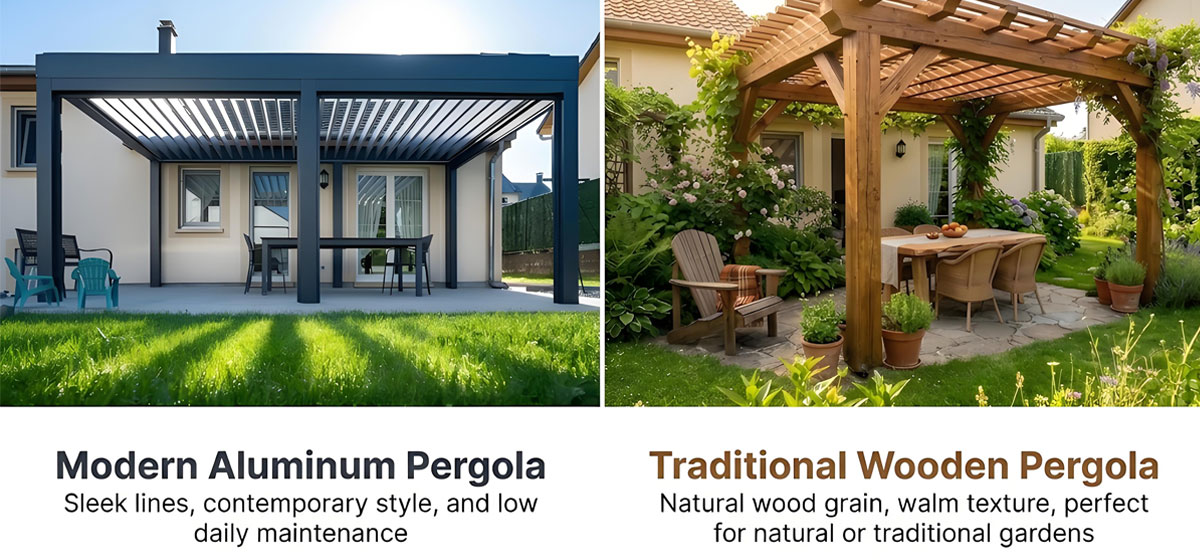
Adding a pergola to your backyard sounds like a simple project. But once you start shopping, you quickly realize there’s quite a bit to consider. It needs to complement your home, fit your budget, and ideally, not require too much upkeep once it’s installed.
For many homeowners, the choice often comes down to two options: aluminum pergolas and wood pergolas.
Wood has its own appeal. Its natural grain and warm tones look right at home among garden plants and greenery. Aluminum pergolas offer a different look, with clean lines, a modern appearance, and generally less maintenance.
So, which one should you choose? Beyond first impressions, it helps to look at how each material performs in everyday use.
Maintenance: How Much Upkeep Will Your Pergola Need?
A newly installed wood pergola can look beautiful. The natural grain, rich colors, and warm appearance make it easy to pair with outdoor furniture, flowers, and greenery.
Over time, though, wood is exposed to sunlight, rain, and changing humidity. Depending on the type of wood and its finish, you may need to reapply protective coatings, inspect the structure, or make repairs when necessary.
These tasks aren't necessarily difficult, but they do take time and regular attention.
Aluminum pergolas are generally easier to maintain. Routine care usually involves cleaning the surface and periodically checking the hardware and finish. Unlike wood, aluminum typically doesn't require regular staining or wood-preservative treatments.
For homeowners with busy schedules who would rather spend their weekends relaxing in the backyard, that difference can matter.
After all, a pergola should make outdoor living more enjoyable, not add another ongoing chore to your to-do list.
Wood is a good fit for people who love its natural character and don't mind putting in some maintenance. If convenience is a priority, aluminum may be the better choice.
Durability: Which Material Holds Up Better Outdoors?
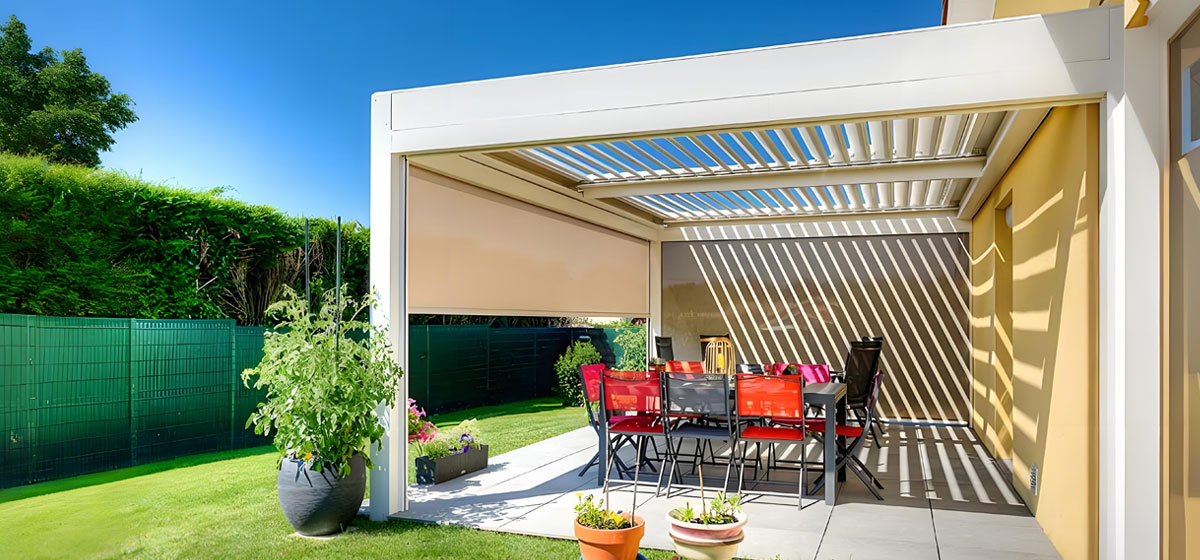
A pergola isn't indoor furniture. It stays outside year-round, so the properties of the material matter.
One major advantage of aluminum is that it won't rot like wood or be damaged by termites. This helps eliminate two common concerns associated with outdoor wood structures.
That doesn't mean wood pergolas can't last. With the right wood, proper protection, and sound structural design, a wood pergola can serve a homeowner for many years. However, its long-term performance is more likely to depend on the local climate and how well it's maintained.
The quality of an aluminum pergola matters, too. The specifications of its posts and beams, the surface finish, and the overall construction all affect how well it holds up over time. Homeowners in coastal areas should pay particular attention to corrosion-resistant finishes and hardware.
In other words, durability isn't determined by the material alone. The quality of the specific product matters as well. Still, aluminum has a clear advantage when it comes to avoiding wood rot and termite damage.
If you're looking for a pergola that can handle outdoor conditions with relatively little day-to-day upkeep, an aluminum structure is worth considering.
Cost: Is a Wood Pergola Always Cheaper?
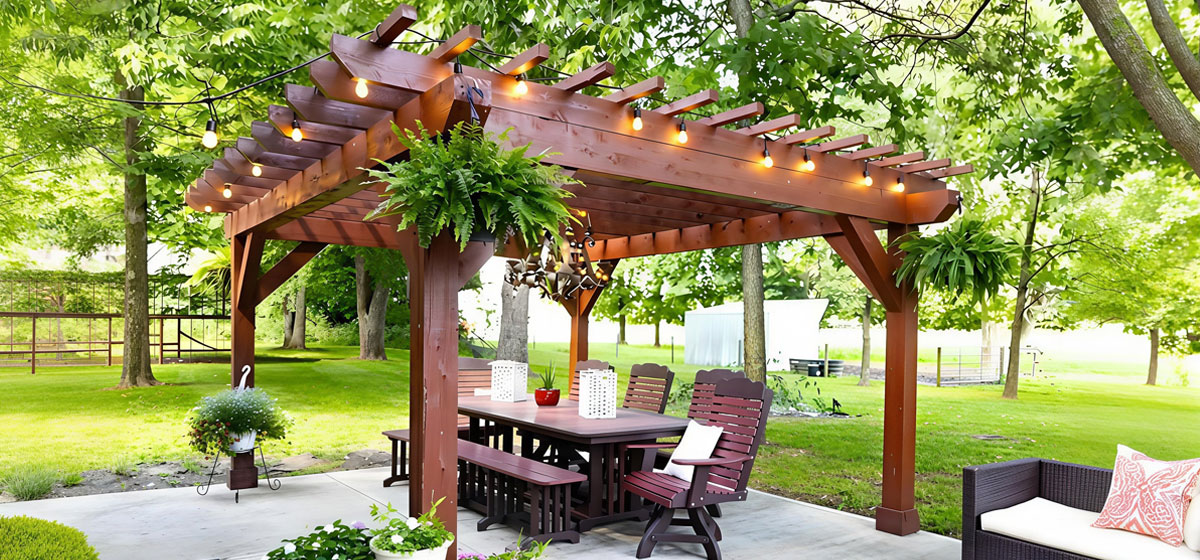
Many people assume that wood pergolas are more affordable, especially for simple DIY projects. Standard lumber can be a budget-friendly option, and doing the work yourself may help reduce installation costs.
But wood pergolas aren't always the less expensive choice.
Premium lumber, intricate designs, and professional custom construction can all increase the final price. Aluminum pergolas also come in a wide range of price points, with significant differences between basic models and higher-end louver systems.
There's another expense that's easy to overlook: ongoing maintenance.
Wood pergolas may require sealants, stains, or other protective products over time. If you hire someone to handle the maintenance, labor costs need to be factored in as well. Aluminum pergolas generally require less routine material-specific upkeep, making long-term care simpler.
When comparing prices, look beyond the initial quote. Consider the purchase price, installation, and potential maintenance costs together.
If you're working with a limited budget, a simple wood pergola may be a good starting point. For homeowners planning to use their pergola for years and hoping to minimize maintenance expenses, an aluminum pergola may also offer good long-term value.
Appearance: The Natural Beauty of Wood vs. the Clean Look of Aluminum
There's no universal winner here. Backyard styles are personal, and different materials suit different homes.
Wood pergolas have a natural, inviting look. They pair well with gardens, stone pathways, wood decks, and traditional homes. If you prefer a warm, relaxed, or rustic aesthetic, wood can fit beautifully into the setting.
Aluminum pergolas tend to have a more contemporary appearance. Clean posts, straight lines, and finishes in colors such as black, gray, and white can give a patio a neat, modern look that complements contemporary architecture.
Aluminum pergolas aren't limited to a plain metallic appearance, either. Some models feature wood-grain finishes that bring a warmer look while retaining many of aluminum's low-maintenance benefits.
When choosing a style, take a look at your home's exterior, window frames, and outdoor furniture. Your pergola doesn't have to be the centerpiece of the backyard, but it should feel like a natural extension of the space.
Environmental Impact: How Do Aluminum and Wood Compare?
When considering environmental impact, the material itself is only part of the picture. It's also worth looking at where it comes from and what happens to it at the end of its useful life.
Wood is a renewable resource, but its environmental impact depends on factors such as forest management, harvesting practices, transportation, and protective treatments. Wood sourced from responsibly managed forests is worth looking into.
Aluminum production requires energy, particularly when producing primary aluminum from raw materials. However, aluminum can be recycled, and producing recycled aluminum generally requires significantly less energy than producing primary aluminum.
A product's lifespan, maintenance needs, and end-of-life disposal or recycling options also affect its overall environmental impact.
For these reasons, it's difficult to say that one material is always more environmentally friendly than the other. Before buying, check the manufacturer's information about material sourcing, recycled aluminum content, or wood from responsibly managed forests.
Aluminum Pergola or Wood Pergola: Which Should You Choose?
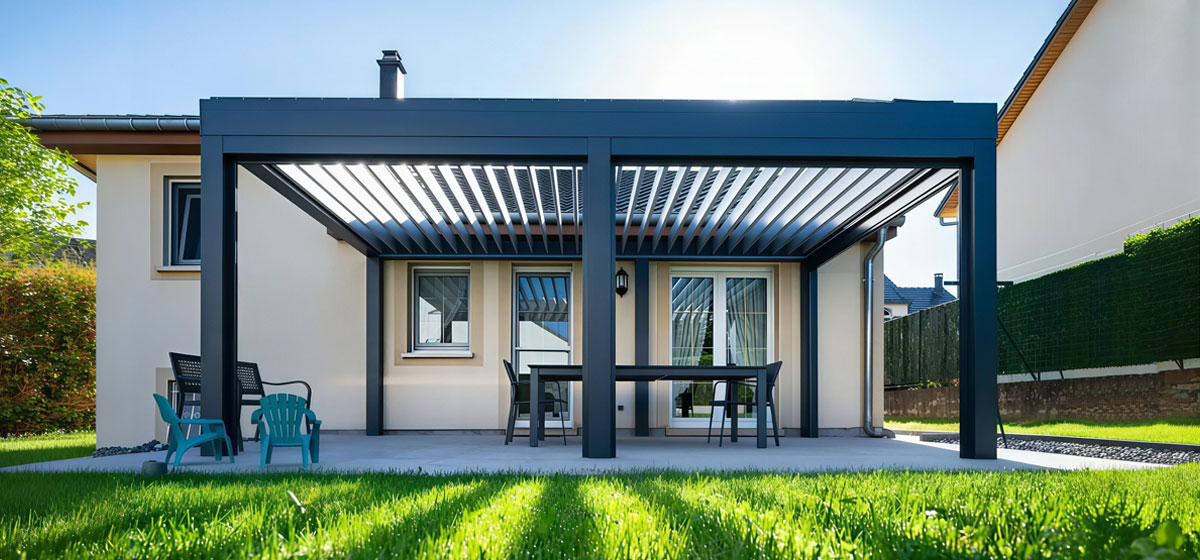
After comparing these factors, it comes down to one practical question: which option makes the most sense for your backyard?
An aluminum pergola may be a better fit if you:
l Want to spend less time on routine maintenance.
l Prefer a clean, modern backyard design.
l Want to avoid wood rot and termite damage.
l Value convenience over the long term.
l Prefer an outdoor structure that's relatively easy to clean and care for.
A wood pergola may be a better fit if you:
l Love the natural grain and warm character of wood.
l Prefer traditional, rustic, or nature-inspired styles.
l Want more flexibility with decorative details and custom designs.
l Don't mind regular wood maintenance.
For many modern homes, an aluminum pergola is an appealing option. Its clean appearance and relatively low maintenance can make the backyard a more practical space for everyday use.
Wood pergolas have their own charm, but they generally require more ongoing care. The key isn't deciding which material is universally better. It's choosing the one that fits your budget, personal style, and lifestyle.
Frequently Asked Questions
Is an aluminum pergola more durable than a wood pergola?
Aluminum won't rot and isn't susceptible to termite damage, giving it an advantage in these areas. The actual lifespan of either type of pergola depends on product quality, structural design, and local environmental conditions.
Does an aluminum pergola cost more than a wood pergola?
Not necessarily. A basic wood structure may have a lower upfront cost, while premium lumber and custom construction can be expensive. Be sure to consider installation and ongoing maintenance when comparing prices.
Does a wood pergola require frequent maintenance?
Wood pergolas generally need regular inspections and may require sealing, staining, or repairs depending on the wood species and local climate. Follow the manufacturer's recommendations and adjust maintenance based on the structure's actual condition.
Why do many homeowners choose aluminum pergolas?
Relatively simple maintenance, resistance to wood rot, and a clean, modern appearance are among the reasons aluminum pergolas appeal to homeowners. For people who want to enjoy their backyard without taking on too many additional maintenance tasks, these benefits can be especially attractive.
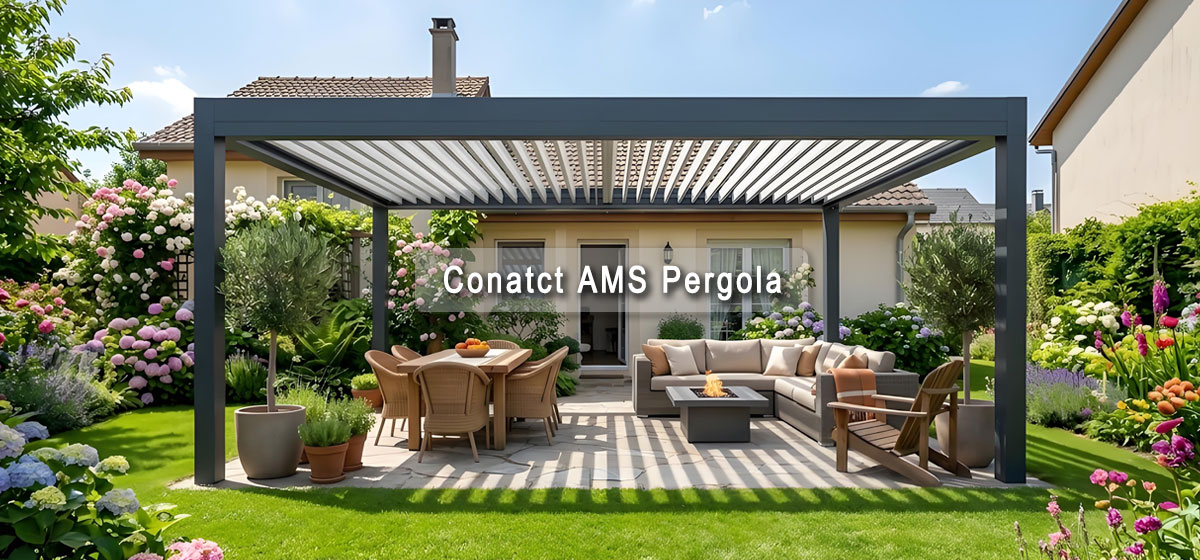
Find the Right Aluminum Pergola for Your Backyard
Wood pergolas offer natural warmth and character, while aluminum pergolas combine modern design with relatively low maintenance, making them another appealing option for outdoor living.
Shopping for a pergola for your backyard or patio? Explore the aluminum pergola from AMS to discover different designs and configurations and find an option that suits your space and needs.
Think about a weekend morning spent enjoying breakfast on the patio, or an evening catching up with family and friends in the backyard. The right pergola is more than just a structure. It can make those everyday moments a little more enjoyable.
Explore AMS's aluminum pergola collection and find the right design for your outdoor space.
