

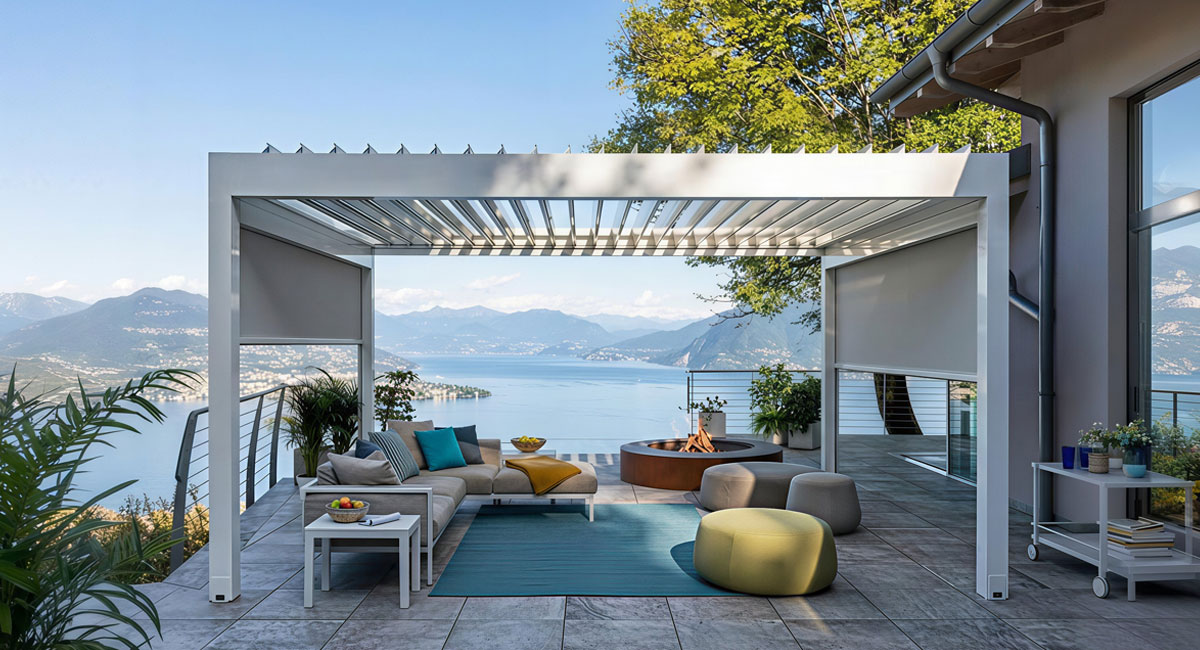
An aluminum pergola can provide shade for patios, backyards, and outdoor living areas. But how much sunlight and ultraviolet (UV) radiation can it actually block? The answer depends on the roof design, the angle of the louvers, the shading materials, and the direction of the sunlight.
For homeowners planning an outdoor dining area, a backyard lounge, or a comfortable space for summer activities, understanding the shading performance of an aluminum pergola can help them choose a design that better suits their needs.
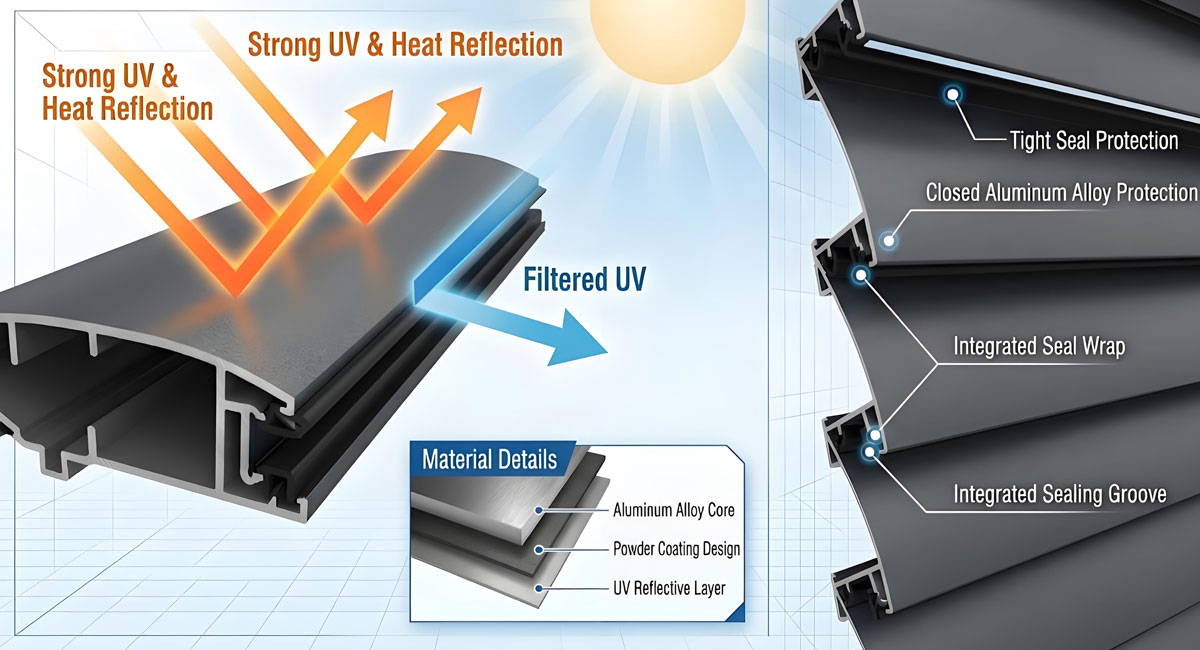
In general, a pergola with adequate roof coverage can reduce direct sunlight. Adjustable louvers allow homeowners to change how open the roof is based on the sun's position, while side shading options can help block sunlight coming in from the sides. However, blocking sunlight does not mean completely blocking UV radiation. If UV protection is a priority, it is also important to understand the UV-blocking properties of the materials and whether the relevant performance claims have been verified through testing.
Why Doesn't Shade Automatically Mean UV Protection?
Solar ultraviolet radiation mainly consists of UVA and UVB rays. UVA rays are associated with premature skin aging, while UVB rays are a major cause of sunburn. Both can damage the skin.
A pergola creates shade by blocking some of the sun's direct radiation. However, even when you're sitting in the shade, you may still be exposed to UV rays scattered by the atmosphere or reflected off surrounding surfaces, such as pavement, patios, and walls.
When evaluating the sun protection offered by an aluminum pergola, don't focus only on whether it blocks visible sunlight. Consider the following factors as well:
· Roof coverage: Gaps between the louvers and the amount of coverage when they are closed affect how much sunlight can pass through the roof.
· Material performance: Different roofing materials and shade fabrics can have different levels of UV transmission.
· Sun exposure: The sun's elevation, patio orientation, and surrounding buildings all affect where shade falls and how much of the space it covers.
· Side exposure: Even with effective overhead shading, low-angle sunlight can still enter from the sides.
Understanding these factors provides a useful starting point for comparing pergola designs and their shading performance.
How Do Different Types of Aluminum Pergolas Compare in Shading Performance?
The roof design of an aluminum pergola directly affects how sunlight enters an outdoor space. Common designs include the following.
1. Open-Roof Aluminum Pergolas
Open-roof pergolas typically feature overhead beams or spaced slats that create an airy, open appearance while allowing plenty of natural light into the space.
However, because the roof has open gaps, sunlight can pass directly through the structure. As the sun moves throughout the day, the shadows cast on the ground and outdoor furniture also shift.
This design is well suited to spaces where an open feel, natural light, and visual appeal are priorities. If your main goal is to create a consistently shaded area during hot summer afternoons, an open-roof design may not provide enough coverage.
2. Louvered Aluminum Pergolas
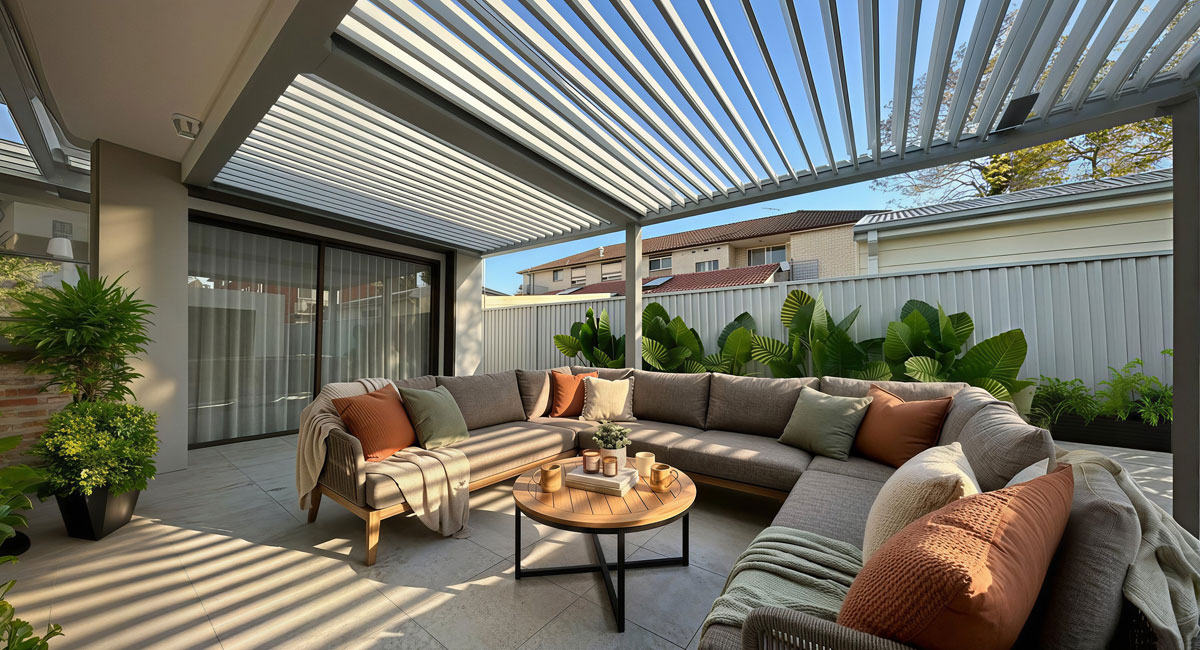
The main advantage of a louvered aluminum pergola is its adjustable roof. The louvers can be tilted to change how open the roof is based on the weather and how the space is being used.
When the louvers are partially open, they can reduce some direct sunlight while allowing natural light and airflow. When the louvers are closed, they create a more continuous roof surface that helps reduce direct sunlight coming from above.
Actual performance depends on the width and spacing of the louvers, how they overlap, and how well they fit together when closed. When comparing products, look beyond the ability to adjust the louvers and check how much roof coverage they provide in the closed position.
For households that use their outdoor spaces for dining, relaxing, and everyday activities, this adjustable design offers greater flexibility.
3. Aluminum Pergolas with Additional Shade Options
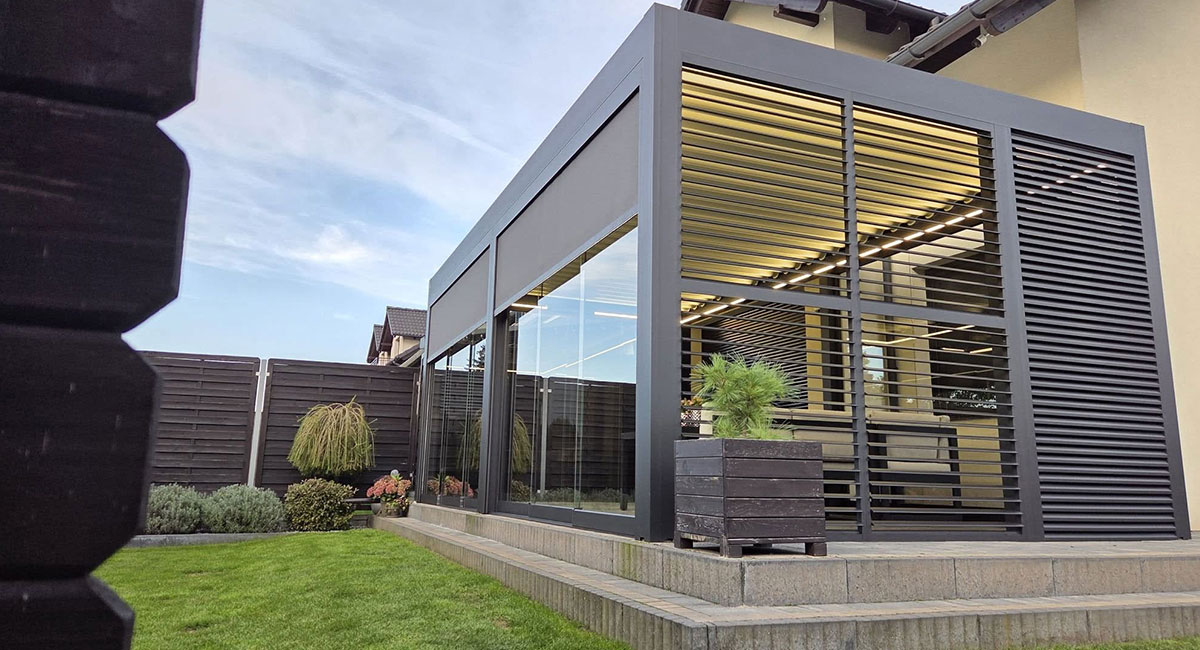
If your backyard receives strong afternoon sunlight, overhead shading alone may not be enough. In these situations, outdoor roller shades, side screens, or compatible retractable shading systems may help.
When considering AMS aluminum pergolas, you can explore the available shade accessories and their compatibility with the specific design and project requirements. Combining overhead and side shading can help reduce direct sunlight from different directions, making outdoor spaces more comfortable for dining, relaxing, and everyday use.
Keep in mind that the performance of side shades depends on the fabric, coverage area, installation position, and angle of the sun. Before purchasing, confirm that the accessories are compatible with the intended configuration and suitable for the local climate and conditions.
How Do Louver Angles Affect Sunlight and UV Exposure?
The value of adjustable louvers goes beyond simply opening or closing the roof. They allow homeowners to adapt the pergola to changing sunlight throughout the day.
For example, the louvers can be opened partially in the morning or during cooler weather to let in natural light and fresh air. When the midday sun becomes stronger, adjusting the louvers can help reduce direct sunlight. In the afternoon, further adjustments may be needed depending on the direction of the sun and the shadows cast across the space.
However, the louver angle alone does not indicate a pergola's UV protection level. Even when the ground appears to be fully shaded, you cannot assume that UV exposure has been reduced to a specific level.
To evaluate actual UV protection, refer to the product's structural specifications and relevant test data rather than relying solely on whether the louvers are open or closed.
Does Patio Orientation Affect Pergola Shading Performance?
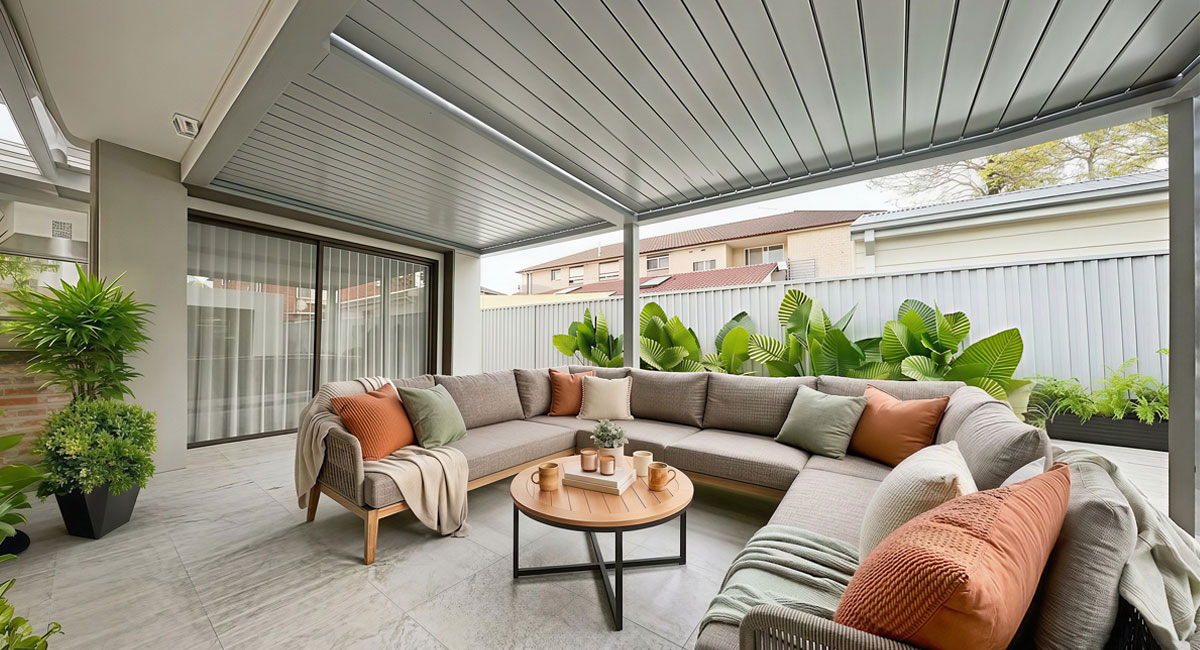
Yes. Even when two patios have the same pergola model installed, their actual shading performance may differ because of their location and sun exposure.
The sun's position and the orientation of the patio are particularly important.
· East-facing patios: Generally receive more direct sunlight in the morning.
· West-facing patios: May experience stronger, lower-angle sunlight in the afternoon.
· South-facing spaces: In the Northern Hemisphere, sun exposure varies with the season and the sun's elevation.
· Open yards with few surrounding buildings: Often have less additional shade from nearby structures, making the pergola's own roof coverage especially important.
Roof height also affects where shadows fall. A taller structure may allow low-angle sunlight to reach farther into the space, so a closed roof does not necessarily mean the entire seating area will remain shaded.
Before deciding where to install a pergola, observe sunlight in the morning, around midday, and in the afternoon. Pay particular attention to frequently used areas, such as dining tables and lounge seating. This can help you determine the appropriate pergola size and placement, as well as whether additional side shading would be beneficial.
Do Pergola Color and Louver Angles Affect Sun Protection?
Both factors are worth considering, but they influence different aspects of performance.
1. Pergola Color
Color affects the pergola's appearance and how its surfaces absorb and reflect solar energy. In general, darker surfaces may absorb more solar energy, while lighter surfaces typically reflect more.
However, the color of the frame does not directly determine the level of UV protection beneath the pergola. Roof coverage, louver design, and material properties are generally more important when evaluating shading performance.
When choosing a color, focus on how it complements your home's architecture, backyard design, and maintenance preferences rather than using color alone to judge UV protection.
2. Louver Angles
Louver angles primarily affect how much sunlight can pass through the gaps in the roof and the direction in which light enters the space.
Generally, the more open the louvers are, the larger the openings in the roof. As the louvers close, overhead shading typically becomes more complete. However, actual performance still depends on the louver design and the sun's position.
Compared with frame color, louver angles have a more direct effect on how the roof blocks direct sunlight. Even so, they cannot independently establish a pergola's UV protection rating.
What Should You Check Before Buying an Aluminum Pergola?
Once you've identified the type of structure that suits your needs, use the following checklist to compare options.
1. Check Roof Coverage When the Louvers Are Closed
Find out whether the louvers provide adequate roof coverage when closed, and whether the manufacturer specifies any structural gaps or limitations. Don't assume that a roof provides effective shading simply because it can be closed.
2. Plan the Size and Placement Around Your Patio's Orientation
Consider when you use your outdoor space most often and which areas need the most shade. If your patio receives strong afternoon sunlight, pay particular attention to the directions from which low-angle sunlight may enter.
3. Confirm Compatibility with Side Shading Options
If you need outdoor roller shades or side screens, confirm that they are compatible with the specific pergola configuration. Review their coverage area, fabric properties, and operating limitations.
4. Review UV Protection Test Data
If a manufacturer claims that a product blocks a specific percentage of UV radiation, ask how that figure was measured, what was tested, and which testing methods and reports support the claim.
It is particularly important to distinguish between test results for an individual material and the actual shading performance of the complete pergola system. A fabric with a specific UV protection rating does not necessarily mean that the entire outdoor space will receive the same level of protection.
5. Consider Ventilation, Drainage, and Weather Resistance
In addition to shading performance, review the pergola's drainage design, frame and connection structure, surface finish, and suitability for local wind and weather conditions.
For adjustable louvered models, also check the operating mechanism, cleaning requirements, and routine maintenance needs to ensure the design suits your environment and intended use.
6. Understand How to Supplement Your Sun Protection
A pergola can help reduce UV exposure, but it cannot guarantee complete protection from UV radiation. For extended outdoor activities, combine shade with other protective measures, such as sun-protective clothing, sunglasses, and a broad-spectrum, water-resistant sunscreen with an SPF of 30 or higher. Reapply sunscreen as directed on the product label and whenever necessary.
Conclusion: Can an Aluminum Pergola Block UV Rays?
Yes, an aluminum pergola can help reduce direct sunlight and UV exposure, but the level of protection depends on the roof design, materials, and surrounding conditions. For the best results, consider roof coverage, louver design, and relevant UV protection test data when choosing a pergola.
AMS Pergola offers custom aluminum pergola solutions tailored to your space, design preferences, and functional needs. From dimensions and structure to colors and optional features, each project can be planned to suit your outdoor living goals.
