

Like many people, you probably enjoy spending time in your backyard when the weather is warm and pleasant. Whether it’s on the patio, in the garden, or elsewhere in your yard, sharing moments with family and friends is always enjoyable. When creating an outdoor living space, choosing the right shading or leisure structure is essential. Pergolas and canopies are two of the most common options on the market, yet many homeowners often confuse the two. While both provide shade and shelter, they differ significantly in terms of function, style, and durability. Understanding these differences can help you design a comfortable and practical outdoor space that aligns with your lifestyle—whether you’re looking for a permanent backyard retreat or a seasonal gathering spot.
Definitions of Pergola and Canopy
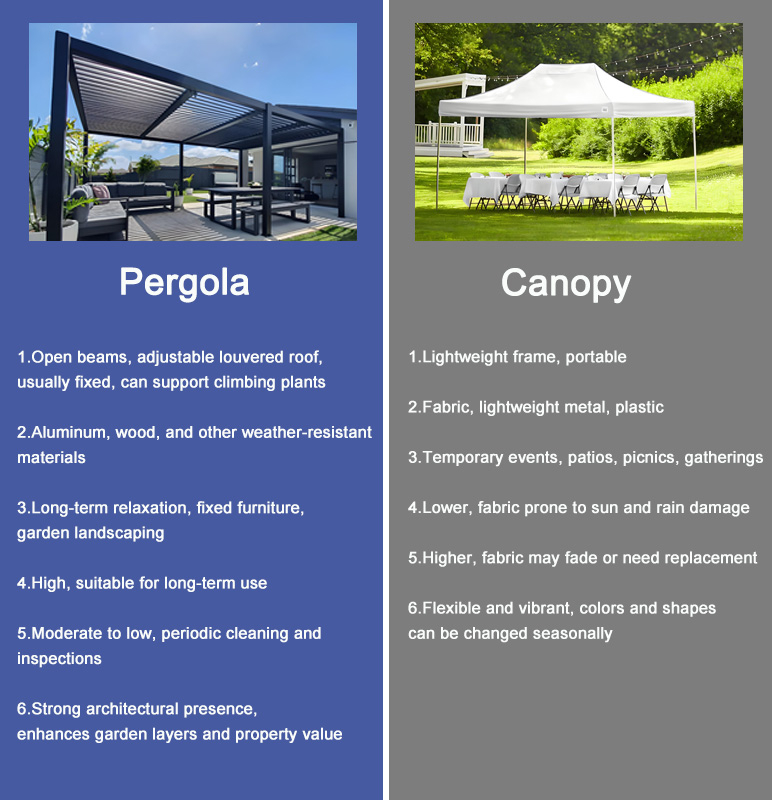
A Pergola is a classic outdoor structure that was originally built from wood to support climbing plants, adding natural layers and charm to a garden. Modern pergolas are available in a wider variety of materials and designs, often constructed from durable aluminum and finished in a range of colors and coatings to suit different outdoor styles, providing both beauty and weather resistance. Unlike other fixed structures, pergolas typically do not have a fully enclosed roof; instead, they feature open beams or adjustable louvered and retractable roofs to control sunlight and shelter from rain. This design not only gives pergolas a unique architectural appeal but also creates a permanent outdoor space that feels airy and comfortable. They can be freestanding or attached to a home, offering ideal shade and relaxation areas for patios or gardens, perfectly suited for garden furniture, dining areas, or outdoor kitchens—turning an ordinary outdoor space into one that is both practical and visually pleasing.
In contrast, a Canopy is one of the simplest and most cost-effective types of outdoor shading structures, known for its lightness and flexibility. Typically made up of a supporting frame covered with fabric—similar to a large outdoor umbrella—it can be easily set up or taken down as needed. Canopies do not require permanent installation, making them ideal for temporary shade or seasonal activities. While they provide instant sun protection and some shelter from light rain, the fabric cannot fully seal out the elements, and prolonged exposure to sunlight and weather can reduce durability and lifespan. Canopies are therefore better suited for users who prioritize flexibility and affordability.
| Comparison | Pergola | Canopy |
| Structure | Open beams, adjustable louvered roof, usually fixed, can support climbing plants | Lightweight frame, portable |
| Materials | Aluminum, wood, and other weather-resistant materials | Fabric, lightweight metal, plastic |
| Usage | Long-term relaxation, fixed furniture, garden landscaping | Temporary events, patios, picnics, gatherings |
| Durability | High, suitable for long-term use | Lower, fabric prone to sun and rain damage |
| Maintenance | Moderate to low, periodic cleaning and inspections | Higher, fabric may fade or need replacement |
| Style & Aesthetics | Strong architectural presence, enhances garden layers and property value | Flexible and vibrant, colors and shapes can be changed seasonally |
Pergola vs Canopy: What's the Difference?
When sunlight fills your backyard, would you choose a sturdy, long-lasting Pergola, or a lightweight, flexible Canopy? Each option creates a distinct outdoor experience. In the following sections, we will provide a comprehensive comparison of the two, covering functionality, material durability, maintenance costs, and aesthetic design, to help you determine the best choice for your own backyard.
Differences in Function and Usage
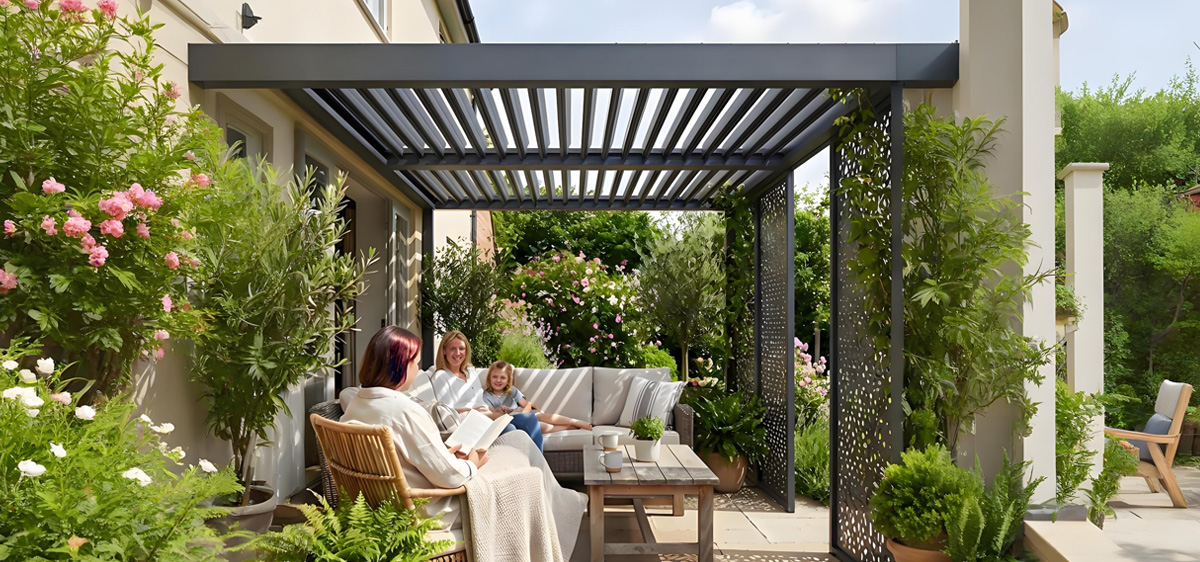
A Pergola is more than just a shading structure—it acts as an “extension” of your outdoor living space. Its sturdy construction and adjustable roof design make it suitable for year-round use, whether it’s a sunny summer afternoon or a gentle spring or autumn evening. Pergolas are ideal for arranging fixed furniture, such as outdoor dining sets, lounge sofas, or hot tub areas, creating a long-term garden atmosphere that adds depth and a sense of belonging to your backyard. For families who value aesthetics and long-term investment, a pergola is not only practical but also significantly enhances the overall appeal and value of the garden.
A Canopy emphasizes flexibility and convenience. It can be set up or taken down as needed, making it perfect for temporary gatherings or outdoor sports activities. Canopies can be repositioned according to the season or event and are easy to store when not in use, taking up minimal fixed space. While their protection is limited and they cannot provide the same long-term comfort as a pergola, their lightweight and portable nature makes them ideal for short-term shading, light rain protection, and enhancing the flexibility of outdoor activities.
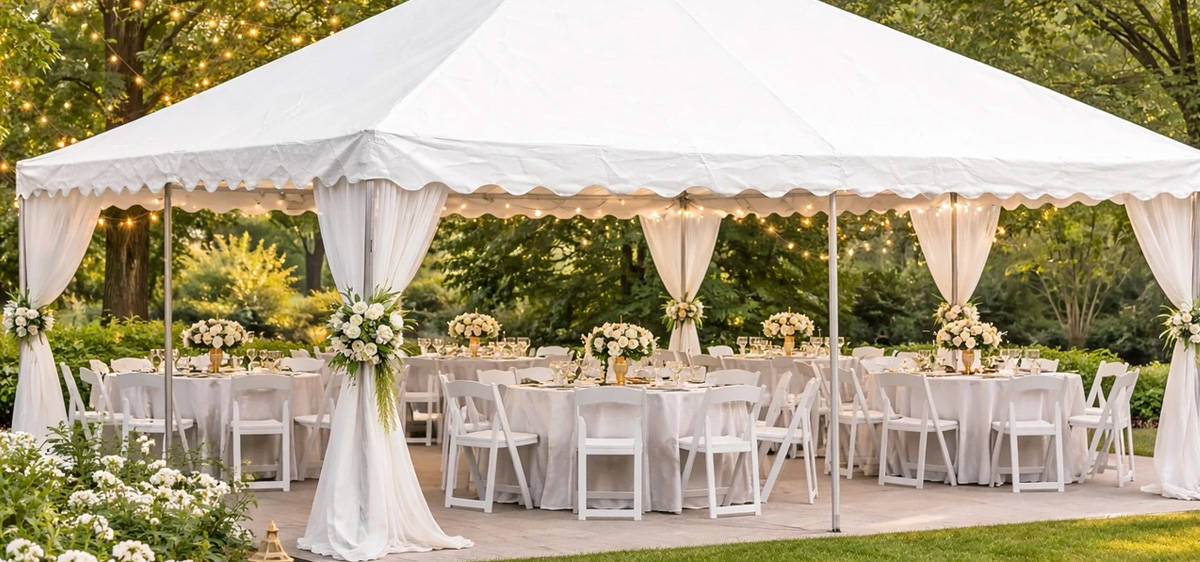
From a psychological perspective, a pergola provides stable, long-term comfort suitable for everyday use and slow-paced relaxation, while a canopy offers immediate security and flexibility, ideal for temporary needs and active outdoor events. Many modern homeowners combine both structures in their backyard design—using a pergola for a permanent relaxation area and pairing it with a movable canopy to accommodate seasonal changes or specific activities—achieving a balance of functionality, flexibility, and aesthetic appeal in their outdoor living space.
Comparison of Materials and Durability
A Pergola is typically constructed from wood, aluminum, or other weather-resistant materials. Wood provides a natural, warm texture, while aluminum is lightweight, durable, and corrosion-resistant, making it suitable for a variety of climates. Modern pergolas often feature powder-coated finishes or protective treatments, enhancing structural stability, weather resistance, and long-term aesthetic appeal. Whether freestanding or attached to a home, a pergola delivers a stable and comfortable outdoor experience that can endure over time.
A Canopy primarily consists of a lightweight frame covered with fabric, emphasizing portability and flexibility. High-quality canopy fabrics usually offer water and UV resistance, but prolonged exposure to sunlight, wind, or harsh weather may cause fading and wear. The frames are generally made of light metal or plastic, making them easy to assemble, move, and store. To extend the lifespan of a canopy, it is recommended to regularly inspect the fabric and frame and take it down during severe weather conditions.
Maintenance and Cost Comparison
When investing in outdoor shading structures, both cost and maintenance are important considerations. A Pergola typically involves a higher initial construction cost, especially when using high-quality wood or aluminum, but requires relatively low long-term maintenance. For example, louvered pergolas only need periodic cleaning and inspection of the roof or louvers to maintain their appearance and functionality for many years.
A Canopy, on the other hand, has a lower upfront cost and is easy to install, making it suitable for families on a budget or for temporary use. However, the fabric is susceptible to UV exposure, wind, and weathering, which may require more frequent replacement or maintenance over time, potentially increasing the total long-term cost.
Additionally, there are some hidden costs to consider. Canopies may need to be taken down during strong winds or heavy rain, adding extra effort for storage and management. While pergolas are more stable, louvered or retractable roofs still require occasional maintenance or part replacement with extended use. These factors should be taken into account when planning your budget and long-term investment.
Differences in Style and Aesthetics
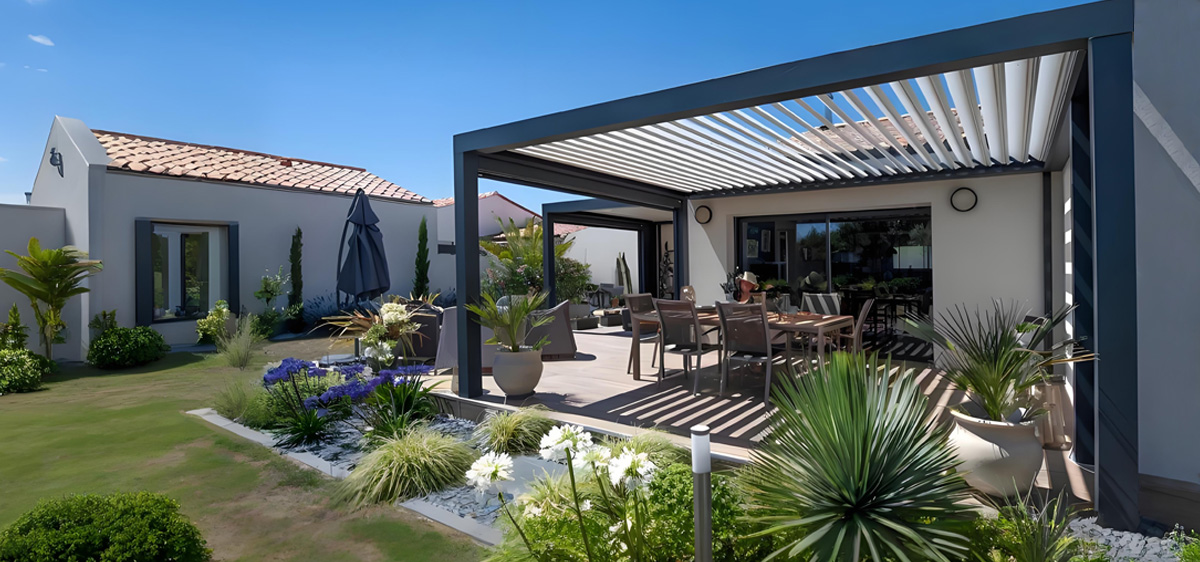
A Pergola emphasizes architectural structure and visual layers, adding unique aesthetic value to your patio or backyard. Whether your style is modern minimalism, Scandinavian, or a traditional wooden garden, a pergola can serve as a focal point in your outdoor space while enhancing the overall elegance and value of your home. The adjustable louvered roof design is not only functional but also creates dynamic light and shadow effects, enhancing the artistic appeal and comfort of the space.
A Canopy, in contrast, focuses on color and fabric design variety, bringing a lighthearted and lively visual effect to your backyard. Different styles and colors of fabric can be swapped out seasonally or for specific events, creating temporary thematic settings—such as summer parties or holiday gatherings—that make your outdoor space vibrant and engaging.
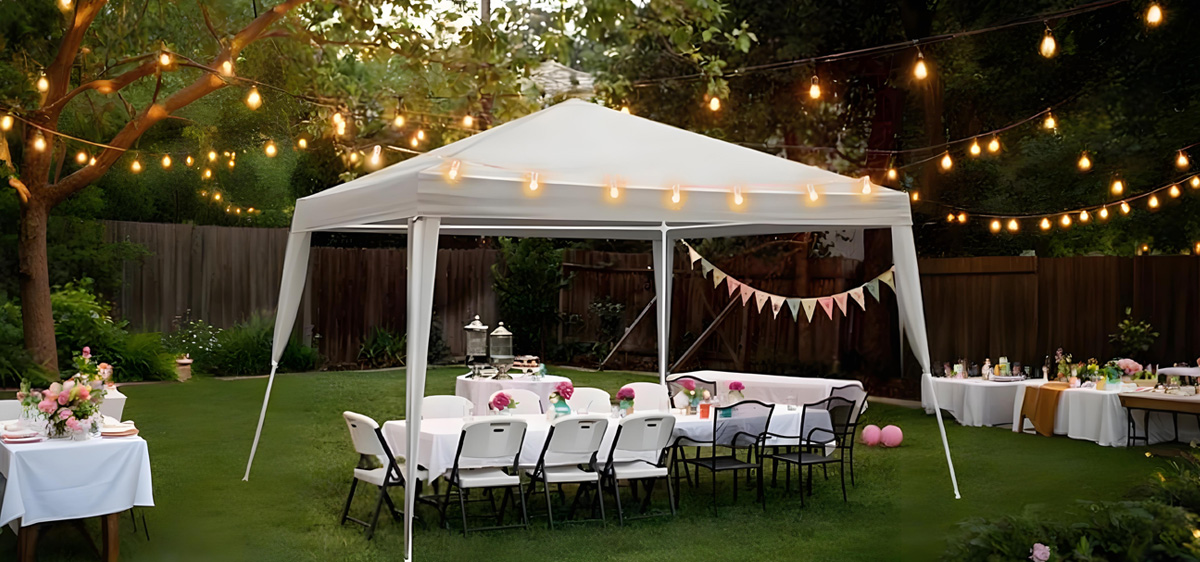
By comparing these differences, you can gain a clear understanding of the advantages and limitations of both pergolas and canopies. Next, we will provide a practical decision-making guide to help you choose the best solution for your backyard.
Decision-Making Guide
When selecting the right outdoor structure for your garden, several key factors are essential to consider: space size, budget, intended use, and long-term planning.
1. Space size and layout: For larger patios or backyards with plans to arrange fixed furniture or dining areas, an aluminum Pergola is ideal for long-term use. A Canopy, on the other hand, is better suited for smaller spaces or temporary setups that require flexible placement.
2. Budget considerations: Pergolas require a higher initial investment, but their durable aluminum construction and low maintenance make long-term costs manageable, making them suitable for families seeking lasting value. Canopies are more budget-friendly upfront, but the fabric and frame may require more frequent replacement, making them better for short-term or seasonal use.
3. Usage needs: If the goal is to create a daily relaxation area, family gathering space, or enhance the garden landscape, an aluminum pergola offers a stable and comfortable experience. If temporary shade or quick outdoor activity coverage is needed, a canopy can be easily set up and moved as required.
4. Aesthetic preferences: Aluminum pergolas emphasize architectural design and spatial texture, enhancing the layering of your garden and the overall value of your home. Canopies, in contrast, offer vibrant and flexible visual appeal through various colors and fabric designs, which can be easily changed according to seasons or events.
Overall, many families make their choice based on actual needs and the characteristics of their backyard. For those seeking a high-end, custom solution, AMS Pergola offers a range of fully aluminum pergolas in various sizes and designs, tailored to your garden space and aesthetic requirements, helping you create the perfect outdoor living area.
Conclusion
Both Pergolas and Canopies have their unique strengths: a pergola, with its sturdy and durable aluminum structure and architectural design, creates a long-lasting, comfortable, and visually appealing outdoor space; a canopy, on the other hand, with its lightweight and flexible fabric cover, offers convenience for temporary events and seasonal needs.
Understanding their differences can help you better plan your outdoor space, making your backyard both functional and aesthetically pleasing. Looking to create the perfect outdoor living environment? Explore AMS’s aluminum pergola designs and customization options, and transform your backyard into the perfect extension of your home and nature.
