

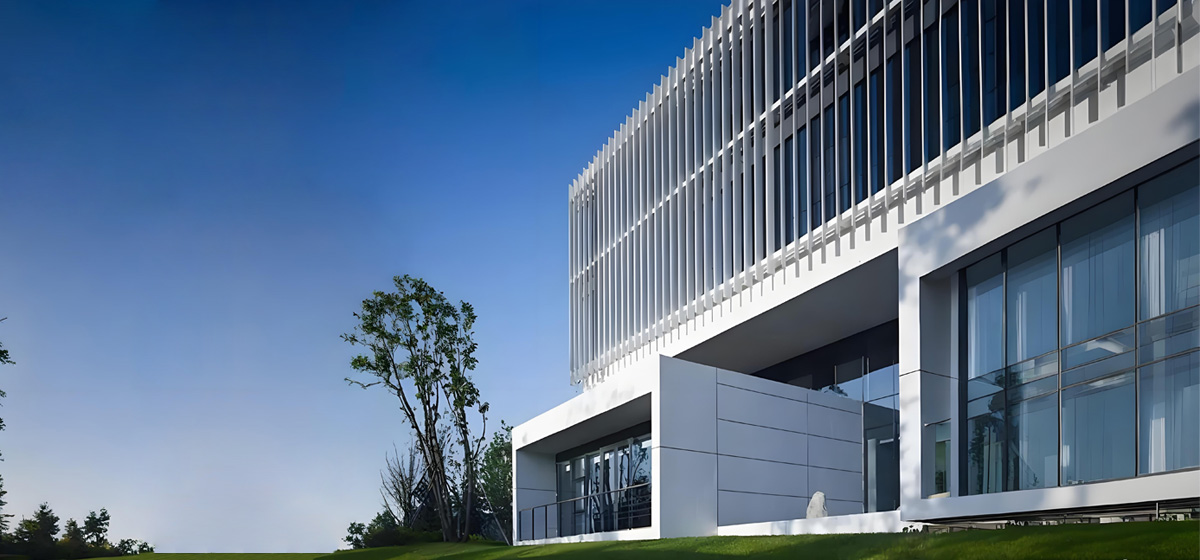
A louver is a device made up of adjustable or fixed blades, widely used in buildings. Its primary functions are to regulate airflow, control lighting, protect privacy, and effectively block the entry of harmful substances such as rain, snow, and debris. In addition to providing necessary ventilation and temperature regulation in building HVAC (heating, ventilation, and air conditioning) systems, louvers can also reduce heat buildup, provide shading, and thus lower air conditioning load, enhancing energy efficiency. More importantly, louvers can become an essential element of the building's exterior, enhancing its aesthetic effect. Choosing the right louver requires not only considering the functional needs of the building but also taking into account climate conditions and local regulations to ensure they offer the maximum benefit in enhancing both building performance and aesthetics.
Next, we will delve into the main functions of louvers in practical applications and explore how they play a vital role in building design and usage.
Top 5 Benefits of Building Louvers
Louvers, with their diverse functions, play an important role in modern architectural design. The following are their key functions:
1.Ventilation and Airflow Regulation
One of the most notable functions of louvers is regulating the airflow between the interior and exterior. By adjusting the angle of the blades, louvers effectively direct air circulation, improving natural ventilation inside the building. This is especially important during hot summer months. Louvers help achieve natural ventilation, reducing reliance on air conditioning, thereby increasing energy efficiency while maintaining indoor comfort.
In high-traffic areas such as shopping malls or office buildings, ventilation is especially critical. Louvers help these spaces effectively manage airflow, providing fresh air and ensuring a comfortable and healthy environment.
2.Climate Protection
Louvers can also effectively prevent rain, snow, dust, and other external environmental factors from entering the building. They provide an additional protective layer, helping buildings withstand adverse weather conditions and keeping indoor environments clean and safe. This function is particularly important for buildings in regions with extreme climates.
3.Shading and Energy Saving
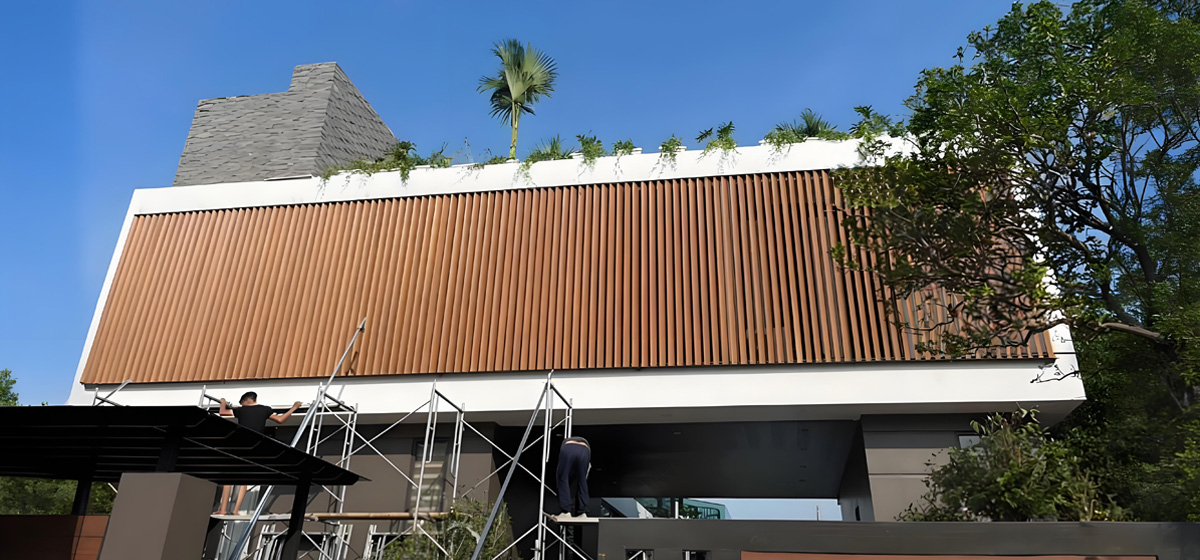
The blades of louvers can be adjusted to control the amount of sunlight entering a space. This not only prevents the interior from being overly exposed to strong sunlight and reduces the feeling of heat, but also lowers the frequency of air conditioning use, resulting in energy savings. Thus, louvers serve as an effective tool for shading and energy conservation.
4.Privacy Protection
Through their adjustable blade design, louvers offer unique privacy protection. Even when not fully closed, louvers can effectively block external views while maintaining good airflow inside. This makes them an ideal choice for modern homes, offices, and other spaces, providing both privacy protection and air circulation.
5.Aesthetic and Design
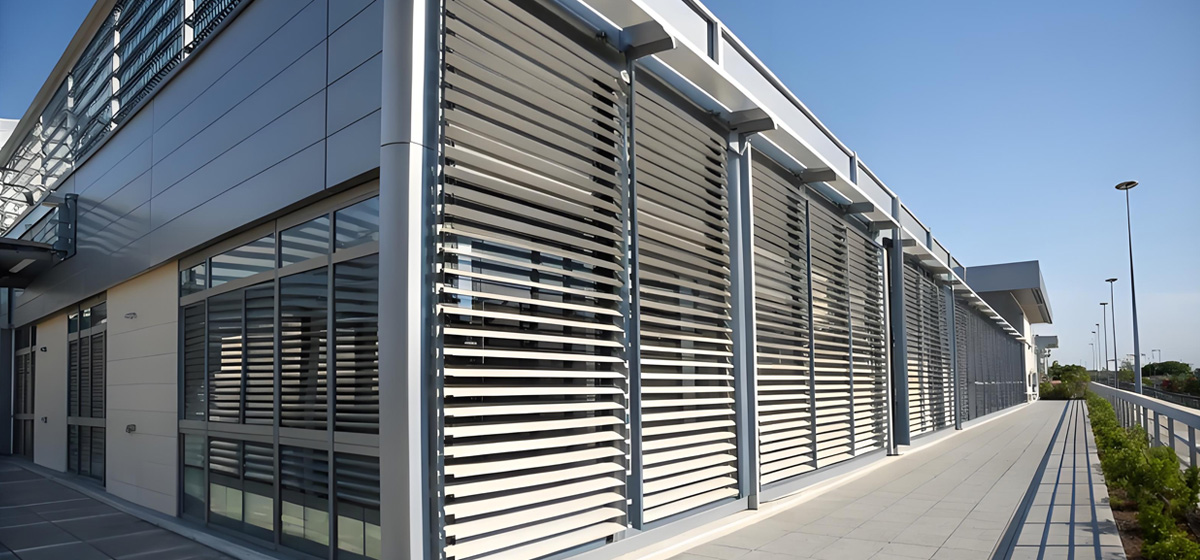
In addition to their functionality, louvers also add distinct aesthetic value to buildings. With various material, color, and design options, louvers can complement the architectural style of a building, creating atmospheric lighting effects. In some cases, they even replace traditional windows, becoming a highlight of the building’s facade.
Practical Applications of Louvers
Due to their excellent functionality, louvers have been widely applied in various types of buildings. Whether used as exterior decoration or to provide comfortable ventilation and shading indoors, louvers effectively balance aesthetics and practicality. Here are some typical application scenarios:
Louvers in Architectural Design
In modern architecture, louvers not only enhance ventilation but also create dynamic facades that change with the play of light and shadows. They can regulate airflow and temperature according to the season, reduce energy consumption, and improve indoor comfort.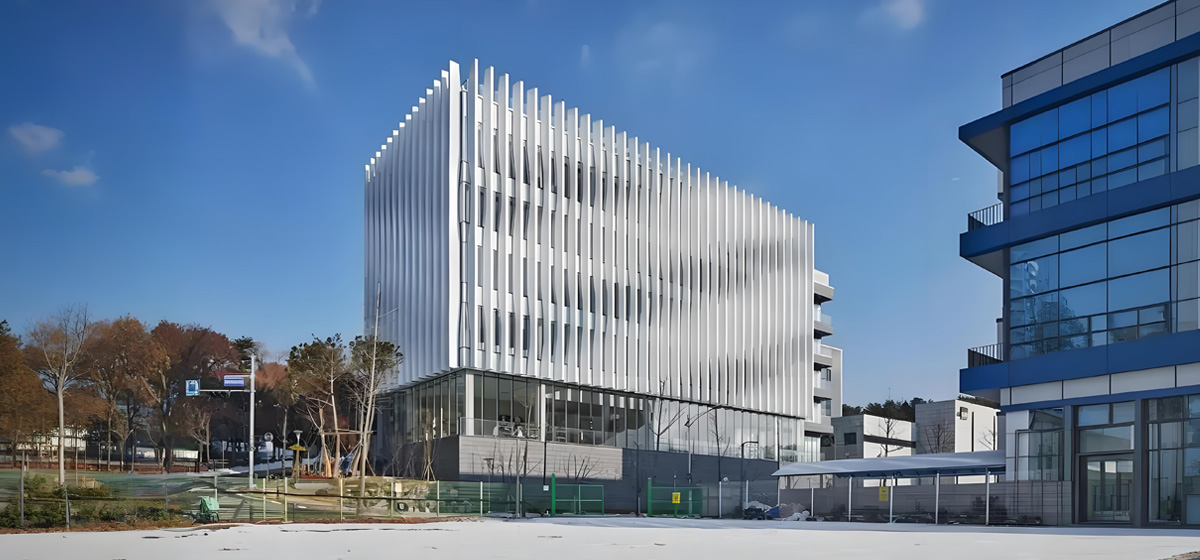
Louvers in HVAC and Ventilation Systems
Louvers are used in HVAC systems to regulate airflow and temperature, optimizing indoor air quality. With the integration of smart control systems, they can automatically adjust the angle of the blades, achieving more efficient temperature control and energy savings.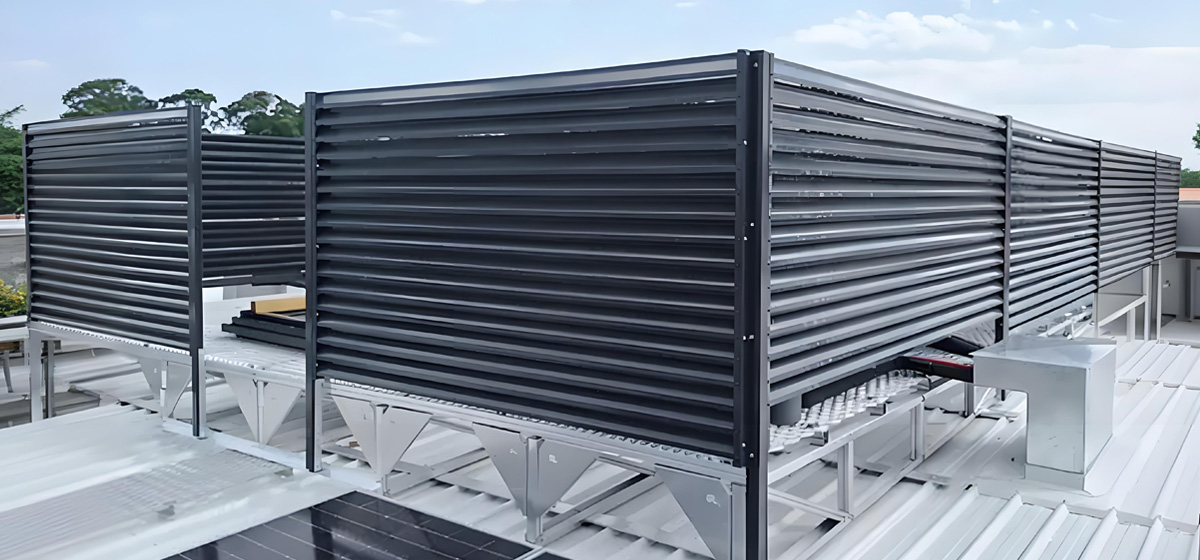
Industrial and Commercial Applications
In warehouses and factories, louvers help regulate airflow to ensure that equipment operates in the optimal temperature and humidity environment, preventing overheating or damage, while also improving the comfort and safety of workspaces.
Conclusion: Enhance Your Building's Style with AMS High-Performance Louvers
Louvers are an indispensable, yet often invisible, contributor to modern architecture. Their design is not only for aesthetic appeal but also enhances the functionality of space in every detail. AMS high-performance louvers not only meet these needs but also represent a commitment to quality and innovation. Choosing AMS aluminum louvers is not just about enhancing your building—it’s about infusing it with intelligence and sustainability. From energy savings to improving living experiences, AMS louvers provide comprehensive value. Now is the time to take the step towards creating an environmentally friendly and efficient space, making AMS the perfect choice to integrate both style and performance in your architecture.
